















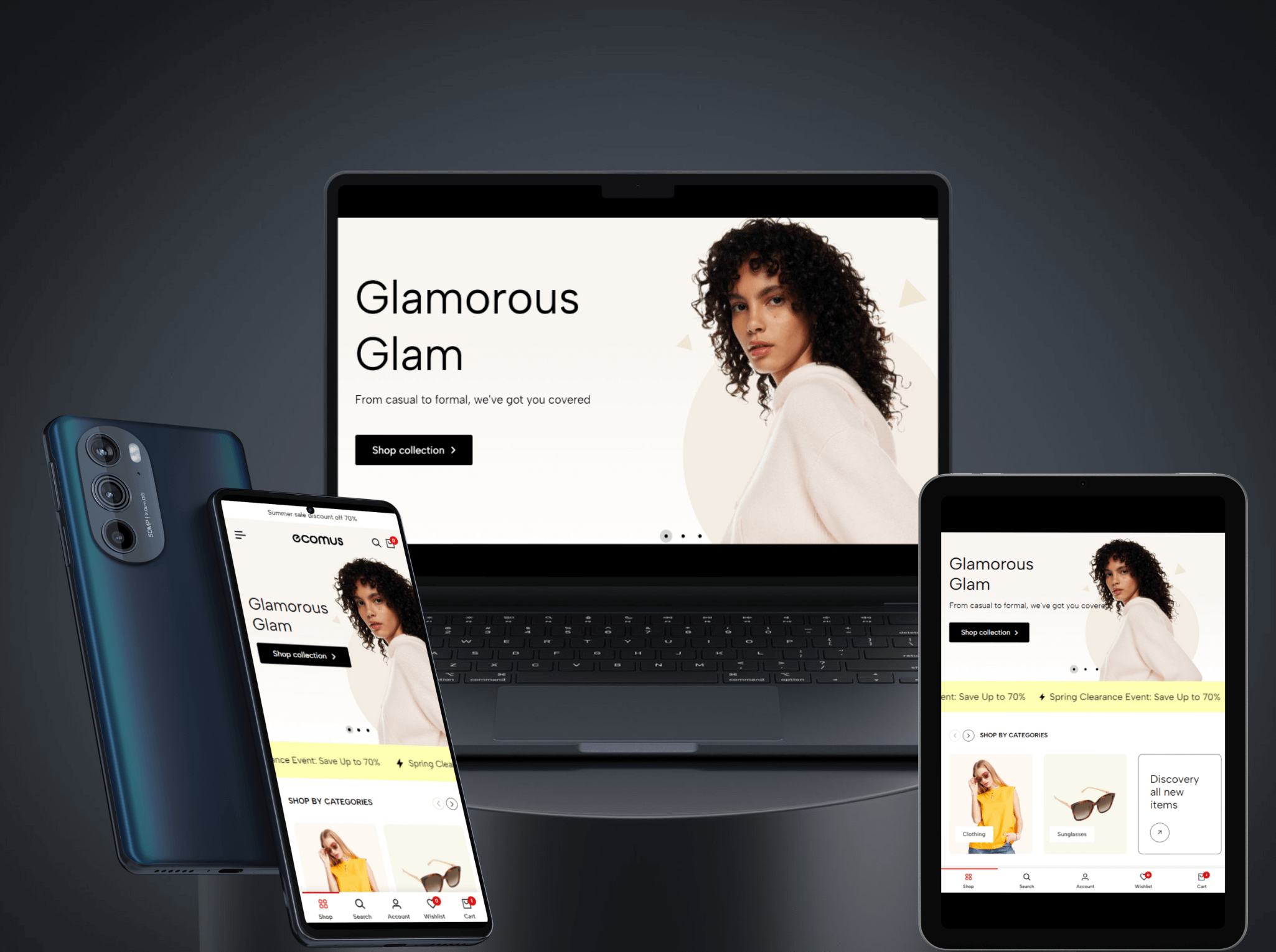

How to Design High-Converting Landing Pages in 2024
In the vast digital landscape, a landing page is more than just a web page; it's a dedicated salesperson working 24/7. Its sole mission? To convert a visitor into a lead or customer. A high-converting landing page is a meticulously crafted digital asset designed to capture user attention, communicate value, and guide them towards a specific action, whether it's downloading an ebook, signing up for a webinar, or making a purchase. In today's competitive online environment, where attention spans are fleeting, mastering the art of high-converting landing page design is not just an advantage—it's a necessity for any business looking to maximize its marketing ROI. Without an effective landing page, even the most robust traffic generation strategies, be it through SEO or paid ads, can fall flat, leading to wasted ad spend and missed opportunities. This comprehensive guide will walk you through the essential elements, strategic principles, and best practices required to build landing pages that don't just look good, but perform exceptionally.
The Anatomy of a High-Converting Landing Page
Every successful landing page shares a common set of foundational elements that work in synergy to achieve its conversion goal. Understanding and implementing these components correctly is the first step towards transforming casual visitors into valuable prospects.
1. A Clear and Unique Value Proposition
This is the heart of your landing page. It clearly articulates what you offer, why it's beneficial, and what makes it unique. Your value proposition should be front and center, instantly understandable, and answer the visitor's core question: "What's in it for me?" It’s not just about features; it's about the tangible benefits your solution provides. For example, instead of "Our software has X features," try "Our software saves you 10 hours a week on project management, freeing up your team for innovation."
2. Compelling Headline
Your headline is the first thing visitors see, and often the deciding factor in whether they stay or leave. It must be catchy, relevant, and immediately communicate your core value proposition. Use strong verbs, numbers, and benefit-driven language. A good headline acts as a promise, enticing the user to read on and learn more.
3. Engaging Visuals
Humans are visual creatures. High-quality images or videos can convey complex information quickly and emotionally. Use visuals that are relevant to your offer, professional, and enhance the message, not distract from it. A product demo video, an infographic explaining a complex service, or a captivating hero image can significantly boost engagement and clarity. Ensure visuals load quickly to avoid frustrating users.
4. Concise and Persuasive Copy
Beyond the headline, your body copy needs to elaborate on the benefits without overwhelming the reader. Use bullet points, short paragraphs, and bold text to break up information and make it scannable. Focus on problem-solution scenarios and how your offer directly addresses the visitor's pain points. Emphasize benefits over features. Remember, every word on a landing page should have a purpose – to drive the user closer to conversion.
5. Strong Call-to-Action (CTA)
The CTA is arguably the most critical element. It's the button or link that prompts the desired action. Your CTA must be:
- Clear: Use action-oriented verbs (e.g., "Download Now," "Get Your Free Ebook," "Start My Free Trial").
- Prominent: Make it visually stand out with contrasting colors and ample whitespace.
- Benefit-Oriented: Instead of "Submit," try "Get My Instant Access" to reinforce the benefit.
- Singular: Ideally, a landing page should have one primary CTA to avoid confusing the user.
6. Trust Signals and Social Proof
In a world full of skepticism, building trust is paramount. Include elements that validate your credibility:
- Testimonials: Quotes from satisfied customers, ideally with photos and company names.
- Case Studies: Demonstrate real-world success. You can explore our case studies to see how we've helped other businesses achieve their goals.
- Security Badges: If collecting sensitive information (e.g., SSL certificates, payment gateway logos).
- Client Logos: Logos of well-known companies you've worked with.
- Awards & Certifications: Industry recognitions.
7. Optimized Forms
If your goal is lead generation, your form is the gateway. Keep it as short as possible, asking only for essential information. Each additional field can decrease conversion rates. Use clear labels, provide error messages, and consider multi-step forms for longer processes to reduce perceived effort. Ensure forms are easy to complete on any device.
8. Mobile Responsiveness
A significant portion of web traffic comes from mobile devices. Your landing page must be fully responsive, meaning it adapts seamlessly to different screen sizes. A poorly optimized mobile experience will instantly deter visitors and drastically reduce conversions. Test your page on various devices to ensure a flawless user journey.
9. Lightning-Fast Page Speed
In the digital age, patience is a scarce commodity. Visitors expect pages to load almost instantly. Even a few seconds of delay can lead to a significant drop in conversions. Optimize images, leverage browser caching, minimize code, and use a reliable hosting provider to ensure your landing page loads at lightning speed. Google's PageSpeed Insights is an excellent tool for identifying areas for improvement.
Leveraging UI/UX Principles for Higher Conversions
Beyond the core elements, the underlying user interface (UI) and user experience (UX) design principles play a crucial role in the effectiveness of your landing page. Good design isn't just about aesthetics; it's about guiding the user effortlessly towards conversion. For a deeper dive into these concepts, consider reviewing powerful UI and UX design principles that can transform your web presence.
1. Frictionless User Experience (UX)
A high-converting landing page removes all obstacles from the user's path. This means:
- Intuitive Navigation: While most landing pages simplify navigation by removing site-wide menus, ensure any internal links or essential navigation (like privacy policy) are clear.
- Clear Information Hierarchy: Guide the user's eye naturally from the headline to the CTA.
- Accessibility: Ensure your page is usable by everyone, including those with disabilities.
2. Visual Hierarchy
This principle dictates how elements are arranged on the page to emphasize what's most important. Use size, color, contrast, and placement to draw attention to your headline, value proposition, and especially your CTA. The most critical information should be immediately visible "above the fold" (without scrolling).
3. Color Psychology
Colors evoke emotions and can influence user behavior. Use colors strategically to create mood, draw attention to key elements (like your CTA), and align with your brand identity. For instance, green often signifies "go" or "success," while red can denote urgency or importance. However, cultural contexts and brand consistency should always take precedence.
4. Whitespace (Negative Space)
Don't be afraid of empty space! Whitespace around elements improves readability, reduces cognitive load, and helps specific elements stand out. A cluttered page overwhelms visitors and makes it difficult to focus on the key message or CTA.
Strategies for Continuously Boosting Conversions
Designing a landing page is not a one-time task; it's an ongoing process of refinement and optimization. The digital landscape is constantly evolving, and so should your landing page strategy.
1. A/B Testing (Split Testing)
This is arguably the most powerful tool in your conversion optimization arsenal. A/B testing involves creating two versions of a page (A and B) with a single difference (e.g., headline, CTA color, image) and showing them to different segments of your audience. By analyzing which version performs better, you can make data-driven decisions to incrementally improve your page's conversion rate. Test everything: headlines, CTAs, images, form fields, page layout, and even the smallest copy changes.
2. Personalization
Tailoring your landing page content to specific audience segments can significantly increase relevance and conversion rates. For example, if a user clicks on an ad for "small business software," your landing page should specifically address the needs and benefits for small businesses, rather than generic enterprise solutions. Dynamic content, where parts of the page change based on user data or referrer, is a sophisticated way to achieve this.
3. Align with Traffic Sources
Ensure a seamless transition from where the user came from (e.g., a Google Ad, an email campaign, a social media post) to your landing page. The messaging, visuals, and offer on your landing page should directly match what the user clicked on. Discrepancies create confusion and reduce trust, leading to high bounce rates. For instance, if you're running Google Ads, the ad copy should perfectly align with the landing page content to manage user expectations.
4. Retargeting Campaigns
Not everyone will convert on their first visit. Retargeting allows you to show ads to people who have previously visited your landing page but didn't convert. This keeps your brand top-of-mind and offers them another opportunity to engage, often with a slightly different message or a special incentive. It's a highly effective way to re-engage warm leads.
Common Landing Page Mistakes to Avoid
Even experienced marketers can fall prey to common pitfalls. Being aware of these can save you time, effort, and potential conversions.
- Too Many CTAs: A cluttered page with multiple calls to action confuses the visitor and dilutes the primary goal. Focus on one main action.
- Lack of Clarity: If your value proposition isn't immediately clear, visitors will leave.
- Slow Loading Times: As mentioned, speed is crucial. Optimize your assets.
- Poor Mobile Experience: Neglecting mobile responsiveness is a surefire way to lose a large segment of your audience.
- Ignoring A/B Testing: Relying on assumptions rather than data is a costly mistake. Always test and iterate.
- Too Much Text: Overwhelming paragraphs deter readers. Use concise, scannable copy.
- Misleading Ad-to-Page Alignment: Ensure consistency between your ads/links and the landing page content.
- Asking for Too Much Information: Long forms create friction. Only ask for what's absolutely necessary.
Measuring Success: Key Performance Indicators (KPIs) for Landing Pages
To truly understand if your landing page is high-converting, you need to track the right metrics:
- Conversion Rate: The percentage of visitors who complete the desired action. This is the ultimate measure of success.
- Bounce Rate: The percentage of visitors who leave your page after viewing only one page. A high bounce rate often indicates poor relevance or user experience.
- Time on Page: How long visitors spend on your page. Longer times can suggest engagement, but it depends on the page's objective.
- Traffic Sources: Understanding where your visitors come from helps optimize your targeting and traffic generation efforts.
- Cost Per Acquisition (CPA): If running paid campaigns, this metric tells you how much it costs to acquire a lead or customer through that specific landing page. For example, if you spend USD 100 on ads and get 10 conversions, your CPA is USD 10.
Conclusion
Designing a high-converting landing page is an art backed by science. It requires a deep understanding of your audience, meticulous attention to detail, and a commitment to continuous optimization. By focusing on a clear value proposition, compelling design, and a seamless user experience, you can create digital assets that not only attract visitors but effectively guide them towards becoming loyal customers. If you're looking to elevate your digital marketing efforts and need expert assistance in crafting landing pages that perform, consider our specialized web landing page design services. We can help you build pages that not only look great but also deliver measurable results. Don't leave your conversions to chance; invest in strategic landing page design and watch your business grow. Ready to start converting more visitors? Get a free quote today and let us help you transform your digital strategy.






