








The digital realm is a dynamic, ever-evolving landscape, a truth nowhere more evident than in the field of digital marketing. For aspiring professionals, the prospect of entering this high-growth sector can seem daunting, especially when faced with job descriptions demanding years of experience. At PS TECH GLOBAL, we understand this challenge. We systematically analyzed the current and future trajectory of the digital marketing industry to provide a comprehensive blueprint for individuals with zero prior experience to land their dream job in 2026 and beyond.
The demand for skilled digital marketing professionals continues to surge, driven by businesses across all sectors increasingly relying on online platforms to connect with their audiences, promote services, and generate leads. This guide offers a strategic pathway, focusing on actionable steps, essential skill development, and proven methods to demonstrate capability, even without a traditional resume of experience. We believe that with the right approach and a commitment to continuous learning, the 'zero-experience' barrier can be transformed into a launchpad for a rewarding career in digital marketing.
Understanding the Digital Marketing Landscape in 2026
The year 2026 marks a pivotal moment in digital marketing. We are witnessing rapid technological advancements, evolving consumer behaviors, and an intensified focus on data-driven strategies. Understanding these shifts is crucial for anyone looking to enter the field.
The Evolving Demand for Digital Marketing Professionals
The digital marketing job market is characterized by robust growth and high demand for talent. Projections indicate a 6% annual job growth for digital marketing professionals through 2032 in the U.S., a rate that surpasses the national average across all occupations. In regions like India, this growth is even more dramatic, with a 30% increase in digital marketing roles over the last two years and an anticipated 25-30% annual growth for the next five years. This expansion is supported by global digital ad spending, which is forecasted to reach nearly USD 1 trillion by 2026.
However, this growth comes with a caveat: the landscape is becoming more competitive, particularly for entry-level roles. Hiring volumes for digital marketing positions are approximately 25% below pre-pandemic levels, making employers more selective. There's a notable shift towards specialized roles, with demand rising for senior and technical talent, partly influenced by the increasing integration of Artificial Intelligence (AI) in marketing workflows. Roles such as SEO specialists, content strategists, data analysts, performance marketing specialists, and AI/automation strategists are currently in high demand.
Key Pillars of Modern Digital Marketing
Digital marketing encompasses a broad array of disciplines, all working in concert to achieve business objectives. In 2026, several key pillars stand out:
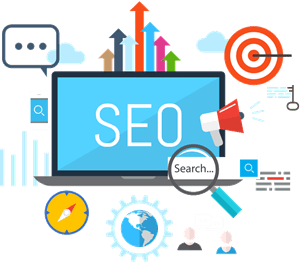
- Search Engine Optimization (SEO): Optimizing online content to rank higher in search engine results, driving organic traffic. This includes technical SEO, on-page SEO, off-page SEO, and local SEO.
- Content Marketing: Creating and distributing valuable, relevant, and consistent content to attract and retain a clearly defined audience. This involves various formats, including blogs, videos, infographics, and podcasts.
- Social Media Marketing: Leveraging social media platforms to connect with audiences, build brand awareness, drive website traffic, and generate leads. This extends beyond posting to include community management, paid social advertising, and influencer marketing.
- Pay-Per-Click (PPC) Advertising: Running paid ad campaigns on search engines (like Google Ads) and social media platforms to quickly generate traffic and conversions.
- Email Marketing: Building and nurturing relationships with prospects and customers through targeted email campaigns, from newsletters to promotional offers.
- Marketing Analytics and Data Interpretation: Collecting, analyzing, and reporting on marketing data to understand campaign performance, identify trends, and inform strategic decisions. This skill is increasingly vital as data-driven decision-making becomes paramount.
- AI and Automation: Utilizing AI-powered tools for tasks like content generation, ad optimization, personalization, and data analysis. AI is no longer a novelty but a necessity, reshaping how campaigns are planned and executed.
The Zero-Experience Mindset: Shifting Your Perspective
Entering the digital marketing field with no formal experience requires a fundamental shift in perspective. Forget the traditional resume-first approach; in digital marketing, demonstration trumps declaration.
Beyond Traditional Resumes: What Employers Really Look For
While a degree can be beneficial, many employers in digital marketing prioritize demonstrated skills, practical application, and a strong portfolio over years of formal experience. What truly sets a candidate apart is their ability to show, not just tell, what they can do. Hiring managers are looking for:
- Problem-Solving and Critical Thinking: The ability to analyze complex situations, identify challenges, and devise effective solutions is highly valued.
- Quantifiable Results: Even from small projects, the capacity to track metrics, analyze performance, and report on outcomes is essential.
- Adaptability and Curiosity: Digital marketing is constantly evolving. Employers seek individuals who are naturally curious, eager to learn new tools and strategies, and can adapt quickly to changes.
- Communication and Collaboration: The ability to articulate ideas clearly, work effectively in teams, and manage stakeholders is crucial for success.
- Passion and Proactiveness: A genuine interest in the field, demonstrated through self-initiated learning and projects, can be more impactful than a list of past jobs.
Cultivating a Growth Mindset and Proactive Learning
Success in digital marketing hinges on a relentless commitment to learning. The digital landscape changes rapidly, with new tools, algorithms, and trends emerging constantly. Adopting a growth mindset means viewing challenges as opportunities to learn and develop new skills. Proactive learning involves:
- Staying Updated: Regularly consuming industry news, blogs, podcasts, and webinars to keep abreast of the latest trends (e.g., AI integration, first-party data strategies, short-form video content).
- Hands-on Experimentation: Actively testing new strategies, tools, and platforms, even on personal projects. This practical application solidifies theoretical knowledge.
- Seeking Feedback: Being open to constructive criticism and actively soliciting feedback on your work to identify areas for improvement.
Building Your Foundational Skillset: Learning Without Limits
With the right resources, you can acquire in-demand digital marketing skills without incurring significant debt or requiring years of traditional education. We have identified core skills and effective learning pathways.
Essential Digital Marketing Skills to Master
To stand out in 2026, focus on mastering skills that are consistently highlighted as critical by industry experts and hiring managers:
- Content Strategy & Storytelling: This involves understanding how to plan, create, and manage content that resonates with specific audiences, addresses their needs, and drives engagement. Employers look for candidates who can develop content calendars, use storytelling techniques, and measure content performance.
- SEO Fundamentals: Grasping the basics of keyword research, on-page SEO (meta tags, headings), understanding how search engines rank content, and basic link-building concepts is essential for increasing online visibility.
- Social Media Management & Strategy: Beyond simply posting, this includes understanding platform algorithms, creating engaging content for diverse audiences, analyzing engagement metrics, and differentiating between organic and paid reach.
- Email Marketing Basics: Learning how to build email lists, segment audiences, create compelling email copy, and track open rates and click-through rates.
- PPC Campaign Understanding: While complex, a basic understanding of how paid advertising platforms like Google Ads and Meta work, including keyword bidding, ad copy creation, and budget management, is highly valuable.
- Analytics & Data Interpretation: The ability to use tools like Google Analytics to track website traffic, user behavior, and campaign performance, translating raw data into actionable insights.
- AI Tool Fluency: Given AI's integration into nearly all marketing functions, familiarity with AI tools for content generation, ad optimization, and data analysis is becoming indispensable.
Leveraging Free and Affordable Resources
A wealth of knowledge is available at little to no cost:
- Online Courses & Certifications: Platforms like Google Skillshop (Google Digital Marketing & E-commerce Certificate, Google Analytics 4 Certification), HubSpot Academy (Inbound Marketing, SEO Certification), and Coursera offer valuable, industry-recognized certifications that provide foundational knowledge and practical skills. These are excellent for beginners.
- Industry Blogs & Publications: Reputable sources like Moz, Search Engine Journal, Neil Patel's blog, and the HubSpot blog offer free, in-depth articles, guides, and tutorials on virtually every aspect of digital marketing.
- YouTube & Podcasts: Many experts share free educational content, tutorials, and discussions on the latest trends.
- Community Forums & Groups: Online communities (e.g., Reddit's r/DigitalMarketing) offer opportunities to ask questions, learn from others, and stay updated.
Crafting Your Experience Portfolio: The "Show, Don't Tell" Approach
The biggest hurdle for zero-experience candidates is often the "experience paradox." However, we at PS TECH GLOBAL firmly believe that experience doesn't always have to come from a paid job. It can be built and showcased through strategic initiatives.
Personal Projects: Your Sandbox for Skill Application
Personal projects are invaluable for applying theoretical knowledge and building a portfolio. These allow you to experiment, make mistakes, learn, and generate measurable results:
- Start a Niche Blog or Website: Choose a topic you're passionate about. Create content, optimize it for SEO, promote it on social media, build an email list, and analyze its performance using Google Analytics. This demonstrates practical skills in content creation, SEO, social media, and analytics.
- Manage a Social Media Account: Pick a niche (e.g., a hobby, a local cause). Develop a content strategy, create engaging posts, run small-scale ad campaigns (even with a minimal budget), and analyze follower growth and engagement.
- Run Small-Scale Ad Campaigns: Experiment with Google Ads or Meta Ads for a fictional product, a friend's small business, or even your own personal brand. Document the campaign setup, targeting, ad copy, and the results achieved (impressions, clicks, conversions, cost per click).
- Develop a Mock Marketing Strategy: Choose an existing small business or a hypothetical company. Outline a digital marketing strategy covering various channels (SEO, social, email, PPC) and explain your rationale for each component.
For each project, treat it like a case study. Document your objective, the approach you took, the tools you used, the results achieved (quantifiable data is key), and what you learned. This demonstrates your thought process and ability to deliver tangible outcomes.
Volunteering and Freelance Gigs: Real-World Application
Offering your skills pro bono or taking on small freelance tasks can provide legitimate experience:
- Assist Local Non-Profits or Small Businesses: Many local organizations lack digital marketing expertise and would welcome free assistance. Offer to manage their social media, optimize their website, or help with email newsletters.
- Micro-Gigs on Freelance Platforms: Websites like Fiverr or Upwork can be used to find small, entry-level tasks such as writing social media captions, performing basic keyword research, or creating simple graphics.
Internships and Apprenticeships: Gaining Structured Experience
While often competitive, internships and apprenticeships offer invaluable structured learning and real-world experience. Look for companies that explicitly state they are open to candidates with limited experience, focusing on learning potential.
Mastering the Job Search: Strategies for Success
With your foundational skills and a burgeoning portfolio, the next step is to strategically navigate the job market. We recommend a multi-faceted approach.
Optimizing Your Digital Footprint
Your online presence is your digital resume. Ensure it reflects your capabilities and professionalism:
- Professional Online Presence: A polished LinkedIn profile is non-negotiable. Fill out every section, highlight your skills, certifications, and, crucially, link to your portfolio projects. Engage with relevant industry content and connect with professionals.
- Personal Branding: Consider creating a simple personal website or online portfolio to showcase your work more extensively. This demonstrates initiative and technical proficiency.
Tailoring Your Application: Resumes That Speak Volumes
When applying for jobs, generic applications will get lost. Each application must be meticulously tailored:
- Highlighting Transferable Skills: Think about any past roles or experiences (even non-marketing ones) where you used analytical thinking, project management, communication, or creativity. Frame these as transferable skills relevant to digital marketing.
- Showcasing Projects and Results: Your resume should prominently feature your portfolio projects, emphasizing the tangible results you achieved using clear metrics. Instead of saying "managed social media," say "Increased Instagram engagement by 20% over 3 months for a local bakery through targeted content and hashtag strategy."
Networking: Your Gateway to Opportunities
Many jobs are found through connections, not just job boards:
- Industry Events & Webinars: Attend virtual or local industry meetups. Even passively listening and asking thoughtful questions can help you learn and make connections.
- Online Communities: Participate actively in LinkedIn groups, Reddit communities, or Slack channels dedicated to digital marketing. Offer value, ask questions, and build relationships.
- Informational Interviews: Reach out to professionals in roles you admire for brief informational interviews. Ask about their career path, daily tasks, and advice for newcomers. This can open doors to mentorship and future opportunities.
Interview Preparation: Demonstrating Potential and Passion
Interviews are your chance to shine. Prepare thoroughly:
- Research the Company: Understand their business, their digital marketing efforts, and their target audience.
- Prepare for Behavioral Questions: Practice answering questions using the STAR method (Situation, Task, Action, Result) to describe how you've demonstrated relevant skills in your projects.
- Showcase Your Portfolio: Be ready to walk through your projects, explaining your thought process, challenges faced, and outcomes.
- Ask Insightful Questions: Demonstrate your engagement by asking questions about team culture, learning opportunities, and the company's digital strategy.
Comparing Learning Paths and Their Efficacy
Various pathways lead to a digital marketing career. We have outlined a comparison to help you choose the best fit for your circumstances:
| Learning Path | Pros | Cons | Best For |
|---|---|---|---|
| Formal Degree (e.g., Bachelor's in Digital Marketing) |
|
|
Individuals seeking a broad academic background and a traditional career entry point, willing to invest significant time and money. |
| Online Certifications & Courses (e.g., Google, HubSpot) |
|
|
Individuals seeking quick, targeted skill acquisition, career changers, and those with limited budgets or time. |
| Self-Taught & Project-Based Learning |
|
|
Highly motivated individuals who thrive on independent learning and are adept at applying knowledge through hands-on projects. |
| Bootcamps & Specialized Training Programs |
|
|
Individuals who prefer an accelerated, immersive learning environment with career support, and are willing to make a significant upfront investment. |
We consistently advise a blended approach: leveraging free online certifications and self-taught project work, potentially supplemented by a specialized bootcamp if budget allows. This combination maximizes practical skill development and portfolio building.
Common Challenges and How to Overcome Them
Embarking on a new career path, especially one as competitive as digital marketing, comes with its share of challenges. We want to acknowledge these and provide strategies for overcoming them.
The "No Experience, No Job" Paradox
This is perhaps the most significant hurdle for newcomers. Employers often ask for experience, but how can you get experience without a job? The blueprint we've outlined directly addresses this by advocating for proactive experience creation through personal projects, volunteering, and small freelance gigs. These aren't just theoretical exercises; they are genuine opportunities to apply skills, generate data, and build a portfolio that effectively simulates professional experience.
Furthermore, focus on showcasing your "learnability" and problem-solving skills. As detailed by a Harvard Business Review analysis on hiring trends, companies are increasingly valuing candidates who demonstrate a strong capacity for continuous learning and critical thinking, especially in rapidly evolving fields like digital marketing, as they understand that specific technical skills can be taught more easily than a genuine growth mindset.
Staying Motivated and Persistent
The journey can be long, and rejections are part of the process. Maintain your motivation by:
- Setting Small, Achievable Goals: Break down your learning and project goals into manageable steps. Celebrate small victories.
- Connecting with a Community: Join online forums or local groups. Sharing experiences and learning from others can provide support and encouragement.
- Reminding Yourself of Your "Why": Reconnect with your initial passion for digital marketing. Visualize your dream job and what it will mean for you.
Adapting to Industry Changes
The digital marketing landscape is in constant flux, driven by technological advancements like AI and evolving consumer behaviors. To stay relevant:
- Embrace Continuous Learning: Make learning a habit. Regularly read industry news, attend webinars, and take new courses.
- Experiment Relentlessly: Test new tools, platforms, and strategies on your personal projects. Be an early adopter.
- Focus on Core Principles: While tactics change, the fundamental principles of marketing (understanding your audience, communicating value, measuring results) remain constant. Ground your learning in these principles.
PS TECH GLOBAL's Role in Your Digital Marketing Journey
As a leading technology consulting and digital transformation company, PS TECH GLOBAL empowers businesses to leverage digital marketing for accelerated growth. Our deep expertise in web development, software solutions, AI integration, and comprehensive digital strategies provides us with a unique vantage point on the skills and insights truly valued in the industry.
We work with entrepreneurs, startups, SMEs, and enterprises, implementing cutting-edge solutions in SEO, performance marketing, content strategy, and data analytics. Our understanding of what drives success for our clients directly informs the 'zero-experience' blueprint we've shared. We see first-hand how businesses seek individuals who are not just familiar with tools but can strategically apply them to achieve measurable business outcomes. We continuously analyze industry trends, such as the increasing importance of AI in marketing, as highlighted in a recent Deloitte Digital report, and integrate these insights into our strategies and, by extension, our guidance for aspiring professionals.
By following the principles we've outlined, you're not just learning digital marketing; you're developing the mindset and practical capabilities that leading technology consulting firms like ours apply for significant business impact.
Conclusion
Landing your dream digital marketing job in 2026 with zero traditional experience is not merely possible; it's an achievable goal with the right strategic approach. We have shown that the key lies in understanding the evolving demands of the market, cultivating a proactive learning mindset, and diligently building a portfolio that showcases your practical skills and quantifiable results, even from self-initiated projects.
The digital marketing field offers immense potential for growth, flexibility, and a dynamic career. By focusing on essential skills like content strategy, SEO, data analytics, and AI tool fluency, and by demonstrating your passion through continuous learning and hands-on projects, you can effectively bridge the experience gap. Remember, your journey into digital marketing is a marathon, not a sprint. Embrace the challenges, celebrate your progress, and stay committed to your development. Your dream job awaits.