














In the dynamic and hyper-connected business landscape of 2026, the digital realm is no longer merely an extension of marketing; it is its very foundation. For businesses, from ambitious startups to established enterprises, navigating this rapidly evolving ecosystem requires more than just a presence – it demands profound strategic insight and agile execution. The proliferation of Artificial Intelligence (AI) and Machine Learning (ML) has fundamentally reshaped how brands interact with their audiences, optimize campaigns, and measure success. Without a deep understanding of these shifts, brands risk obsolescence. We, at PS TECH GLOBAL, systematically analyzed the market to provide this ultimate blueprint, empowering you to choose digital marketing classes that genuinely ignite your brand and drive sustainable growth.
The imperative to upskill and reskill in digital marketing has never been more urgent. As a leading technology consulting and digital transformation company, we recognize that the right education isn't just about learning tools; it's about cultivating a strategic mindset capable of leveraging technology for competitive advantage. This comprehensive guide, crafted with the expertise of senior technology consultants and digital strategists, will illuminate the path to selecting impactful digital marketing education tailored to your brand's unique needs, ensuring you not only keep pace but lead the charge in the digital frontier.
The Evolving Digital Landscape: Why 2026 Demands New Skills
The digital marketing landscape of 2026 is characterized by unprecedented speed and complexity. AI, in particular, has moved from a buzzword to a foundational technology, impacting everything from content creation and personalization to ad targeting and analytics. Companies that adopt AI early will gain a significant edge in targeting ideal customers and fostering long-lasting relationships.
The Velocity of Change: AI, Automation, and Hyper-Personalization
By 2026, AI is no longer a luxury but a primary component of modern marketing plans. It facilitates hyper-personalization, a standard expectation for consumers, with 75% more likely to buy from brands delivering personalized content. AI tools are sifting through vast amounts of data, predicting customer behavior, and automating marketing processes, allowing businesses to operate with the efficiency of much larger teams. This means marketers must understand how AI systems work, where they add value, and where they might fall short, to strategically guide these tools rather than blindly trust automation.
The Imperative for Skill Reinforcement and Authenticity
Despite the rise of AI-generated content, authenticity and the human touch are becoming increasingly crucial. In an age where AI can make everyone "average," a brand's unique voice, real-world experience, and ability to build genuine trust and community are its ultimate un-automatable advantages. The World Economic Forum predicts that 50% of current marketing skills will be obsolete by 2030, underscoring the critical need for continuous learning and adaptability. There is a recognized global digital skills gap, particularly in areas like digital marketing, data and analytics, and proving ROI. Businesses need to bridge this gap to drive brand awareness and revenue effectively.
Why Investing in Digital Marketing Classes is a Strategic Business Imperative
For any business owner or decision-maker, the question isn't whether to engage in digital marketing, but how to do it effectively and efficiently. Digital marketing classes offer a clear pathway to achieving this, translating directly into tangible business benefits.
Driving Revenue and Proving ROI
The primary goal of any business investment is a return. Digital marketing, when executed strategically, delivers measurable ROI. Digital marketing ROI is a way of measuring how effective your digital marketing efforts are, determining whether they are worth continued investment. By gaining a deep understanding of digital marketing principles through structured education, businesses can significantly improve their conversion rates and revenue. Most digital marketers strive for an average ROI of 5:1 (USD 5 gained for every USD 1 spent), with exceptional results exceeding 10:1. SEO strategies, for instance, can yield ROIs of over 700% over the long term. Equipping your team with the skills to optimize campaigns, leverage analytics, and make data-driven decisions directly impacts your bottom line.
Enhancing Brand Visibility and Authority
In a crowded digital marketplace, visibility is currency. Digital marketing classes teach how to implement strategies in SEO, SMO, performance marketing, and email marketing to enhance your online presence. By mastering search engine optimization, content marketing, and social media engagement, your brand can achieve higher rankings, reach wider audiences, and establish itself as a trusted authority in its niche. This isn't just about being seen; it's about building credibility and fostering genuine connections with your target market.
Optimizing Resource Allocation and Efficiency
Many businesses allocate marketing budgets without a clear understanding of what truly works. Digital marketing education empowers teams to collect and analyze data required to deliver digital marketing ROI, allowing for informed decisions on where to invest resources for maximum impact. This leads to more efficient campaign execution, reduced wastage on ineffective channels, and streamlined workflows, especially when integrated with AI-powered automation tools.
Identifying Your Brand's Unique Digital Marketing Needs
Before diving into course selections, a crucial first step is to conduct an honest assessment of your brand's current digital marketing strengths, weaknesses, and future aspirations. This diagnostic phase ensures that your educational investments are precisely targeted and yield the highest possible returns.
Auditing Current Digital Performance
Begin by evaluating your existing digital marketing efforts. Where are you currently succeeding? Where are you falling short? Analyze your website traffic, lead generation, conversion rates, social media engagement, email campaign performance, and search engine rankings. Tools like Google Analytics and other platform-specific dashboards can provide invaluable insights into your current performance. This audit will highlight areas needing immediate attention and inform which digital marketing disciplines require the most focus.
Defining Brand Goals and Target Audience
What do you aim to achieve with digital marketing? Increased sales, enhanced brand awareness, improved customer loyalty, or perhaps market expansion? Your digital marketing goals should align directly with your overall business objectives. Simultaneously, gain a crystal-clear understanding of your target audience – their demographics, psychographics, online behavior, and pain points. Understanding these elements is paramount for tailoring content and campaigns effectively. The right course will teach you how to align web content with deep user journey goals and optimize for "search everywhere," not just traditional search engines.
Skill Gap Analysis within Your Team
Assess the existing digital marketing capabilities within your organization. Do your team members have expertise in SEO, PPC, social media, content creation, or data analytics? Identify specific skill gaps that, if filled, would significantly enhance your brand's digital performance. This internal assessment helps determine whether you need to upskill existing employees, hire new talent, or engage external experts like PS TECH GLOBAL.
Navigating the Digital Marketing Curriculum Landscape: Essential Areas for 2026
The breadth of digital marketing is vast, and by 2026, it encompasses an even wider array of specialized disciplines. A well-rounded education will cover several core areas, many of which are now heavily influenced by AI and data analytics.
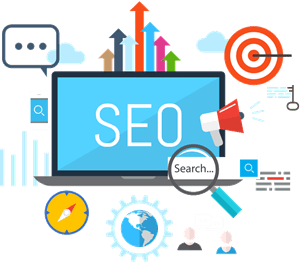
Search Engine Optimization (SEO)
SEO remains critical, but its nature has evolved significantly. In 2026, Google's algorithms prioritize user intent, E-E-A-T (Experience, Expertise, Authoritativeness, Trustworthiness) content, and are influenced by AI-driven search demands ("Answer Engine Optimization" - AEO). Courses should cover advanced keyword research, technical SEO, local SEO, content optimization for AI search, and understanding how to build genuine trust signals. SEO campaigns boast high ROIs, often exceeding 700% over the long term.
Pay-Per-Click (PPC) and Paid Advertising
PPC, encompassing platforms like Google Ads and social media advertising, is increasingly reshaped by AI-driven discovery and automation. Classes should focus on strategic campaign management, audience targeting, bidding strategies, ad creative optimization, and leveraging AI for real-time campaign adjustments and budget allocation. The goal is to maximize ROI through efficient ad spend and hyper-personalized campaign delivery.
Content Marketing and Strategy
In 2026, content volume is less important than strategic, meaningful content that demonstrates expertise and trustworthiness. Courses must cover content strategy, creation for various platforms (including video-first content), AI-powered content generation tools (and how to maintain authenticity), storytelling, and performance measurement. The ability to create engaging, valuable content that resonates with audiences and builds trust is paramount.
Social Media Marketing
Social media platforms continue to be essential for brand building and customer connection. Education in this area should focus on platform-specific strategies (TikTok, YouTube, Instagram), social commerce, influencer marketing, community building, and leveraging AI for audience engagement, content scheduling, and trend prediction. Understanding how to turn attention into loyalty through owned channels like email and blogs, after initial discovery on social media, is also key.
Email Marketing Automation
Email marketing remains one of the most effective digital marketing methods because it allows direct communication with an interested audience. Classes should cover list building, segmentation, personalized campaigns, automation sequences (e.g., abandoned cart reminders), and integrating AI for predictive analytics to optimize send times and content. Maintaining an owned email list provides stability against changing social media algorithms.
Data Analytics and Measurement
The ability to collect, measure, and analyze data from marketing campaigns is fundamental to understanding effectiveness and improving ROI. Courses in this domain will cover tools like Google Analytics (including GA4), data visualization, attribution modeling, A/B testing (now heavily augmented by AI-driven predictive analytics), and translating data into actionable insights. This skillset is crucial for making data-driven decisions and demonstrating the true value of marketing efforts.
Digital Strategy and Transformation
Beyond individual channels, a comprehensive understanding of overarching digital strategy is vital. This includes digital transformation methodologies, omnichannel experiences, customer journey mapping, and integrating various digital marketing components into a cohesive, business-growth-oriented strategy. This high-level strategic thinking cannot be replaced by AI.
Here’s a comparison of common digital marketing course focuses:
| Digital Marketing Area | Primary Focus | Key Skills Acquired | 2026 AI/ML Integration |
|---|---|---|---|
| SEO (Search Engine Optimization) | Improving organic search visibility & rankings. | Keyword research, technical SEO, on-page SEO, link building, local SEO, content optimization. | AEO (Answer Engine Optimization), predictive search intent mapping, AI for content ideation and optimization, E-E-A-T signals. |
| PPC (Pay-Per-Click) & Paid Ads | Running effective paid campaigns across search & social platforms. | Campaign setup, audience targeting, bidding strategies, ad copy/creative, landing page optimization, budget management. | AI-driven campaign optimization, predictive analytics for ad performance, automated bidding, hyper-personalized ad delivery, creative generation. |
| Content Marketing | Creating & distributing valuable, relevant content. | Content strategy, copywriting, blogging, video creation, graphic design, content promotion, content calendar management. | AI for content ideation, drafting, personalization, trend analysis, and performance prediction; maintaining human authenticity amidst AI output. |
| Social Media Marketing | Building brand presence & engaging audiences on social platforms. | Platform-specific strategies, community management, social media advertising, influencer marketing, content scheduling, analytics. | AI-powered trend analysis, sentiment analysis, automated engagement tools, optimized posting times, social commerce integration. |
| Email Marketing | Building & nurturing customer relationships via email. | List building, segmentation, email campaign design, copywriting, automation workflows, A/B testing, deliverability. | AI for audience segmentation, personalized subject lines and content, predictive send-time optimization, automated journey mapping. |
| Data Analytics | Measuring & interpreting marketing performance data. | Google Analytics (GA4), data visualization, reporting, attribution modeling, A/B testing, statistical analysis, deriving insights. | AI for advanced data analysis, anomaly detection, predictive modeling of customer behavior, automated reporting, ROI calculation. |
| Digital Strategy | Holistic planning & integration of all digital marketing efforts. | Customer journey mapping, channel integration, budget allocation, competitive analysis, strategic planning, performance KPIs. | AI for market trend forecasting, competitive intelligence, identifying strategic opportunities, optimizing omnichannel experiences. |
Key Criteria for Choosing the Right Digital Marketing Class
With an abundance of courses available, discerning the truly valuable ones requires a critical evaluation based on several key criteria. The right choice can waste your time, money, and momentum.
Instructor Expertise and Industry Experience
Prioritize courses taught by instructors with proven industry experience, not just theoretical knowledge. Look for trainers who have run actual campaigns and are currently working in the industry, as their practical insights are invaluable. Their expertise ensures the content is relevant and grounded in real-world application.
Curriculum Relevance and Up-to-Date Content (with a 2026 Focus)
The digital marketing landscape changes rapidly. Ensure the course syllabus is regularly updated and covers the latest trends, tools, and algorithms, especially those related to AI and ML in 2026. A course should not just skim the surface but provide comprehensive modules that address current challenges and future opportunities, such as AI-powered tools and Google's algorithm updates.
Practical Application and Case Studies
Theory alone is insufficient. The best courses offer hands-on experience through live projects, simulations, and real-world case studies. This practical exposure allows learners to apply concepts, manage ad budgets, create content strategies, and utilize industry-standard tools like Google Ads, Google Analytics, SEMrush, and Mailchimp.
Certification and Industry Recognition
Look for courses that offer industry-recognized certifications from platforms like Google, Meta, HubSpot, or SEMrush. These certifications add significant value to a professional's resume and are highly valued by employers, demonstrating extensive knowledge and expertise. A professional certificate can boost credibility and even lead to promotional opportunities or higher salary potential.
Learning Format and Flexibility
Consider the learning format that best suits your team's schedule and learning style. Options include online, in-person, blended, self-paced, or instructor-led. Flexible timings can help achieve a work-life balance, while structured settings offer direct guidance.
Cost-Benefit Analysis and ROI
Evaluate the cost of the course against its potential benefits and ROI. A digital marketing course is a business investment, and like any investment, it should be evaluated on ROI. Consider whether the skills acquired will lead to increased revenue, improved efficiency, or reduced outsourcing costs. Sometimes, a slightly higher-priced course with up-to-date content and practical application offers far greater long-term value than a cheaper, outdated alternative.
Implementation and Integration: Turning Knowledge into Growth
The true value of digital marketing education lies not just in acquiring knowledge but in effectively integrating it into your business operations to drive tangible growth.
Building an Internal Digital Marketing Taskforce
Empower your existing team members by enrolling them in specialized digital marketing classes. This strategy allows you to build an internal taskforce with diverse expertise, capable of executing campaigns, analyzing data, and adapting to new trends without constant reliance on external agencies. This approach fosters a deeper understanding of your brand's unique challenges and opportunities.
Leveraging New Skills for Business Automation and Efficiency
With newly acquired skills in AI-driven tools and automation, your team can streamline repetitive marketing tasks, such as content scheduling, email nurturing, and initial data analysis. This frees up valuable human resources to focus on high-level strategy, creative problem-solving, and cultivating genuine customer relationships – areas where human ingenuity remains irreplaceable.
Measuring Impact and Iterating Strategy
Digital marketing education emphasizes data-driven decision-making. Encourage your team to continuously measure the impact of their implemented strategies, calculate ROI, and use these insights to refine and iterate future campaigns. This iterative process, guided by continuous learning, ensures that your digital marketing efforts remain optimized, responsive, and aligned with your evolving business goals.
The PS TECH GLOBAL Advantage: Your Partner in Digital Excellence
At PS TECH GLOBAL, we understand the complexities businesses face in the digital age. As a leading technology consulting and digital transformation company, we are dedicated to helping businesses like yours leverage cutting-edge solutions, including websites, software, AI, automation, branding, and digital marketing, to accelerate growth. Our expertise spans comprehensive digital solutions, from crafting visually stunning and functional websites to implementing sophisticated SEO, SMO, performance marketing, and email marketing strategies.
With over 7 years of industry experience and a proven track record of serving over 200 startups, we combine creativity with cutting-edge technology to deliver solutions that exceed expectations. Our client-centric approach ensures that every project is handled with meticulous care, aiming for excellence and delivering results that drive your business forward. We believe in empowering entrepreneurs, startups, SMEs, and enterprises to build scalable digital businesses and stay ahead in a rapidly evolving technological landscape.
Conclusion: Ignite Your Brand's Future with Strategic Digital Marketing Education
The year 2026 presents both unprecedented challenges and immense opportunities in the digital marketing arena. The convergence of advanced AI, evolving consumer expectations, and the increasing demand for authenticity necessitates a proactive approach to digital marketing education. By strategically choosing digital marketing classes that align with your brand's unique goals, emphasize practical application, and are taught by industry experts, you can transform your marketing efforts from a cost center into a powerful engine for growth.
Investing in digital marketing education is an investment in your brand's future resilience and prosperity. It fosters internal expertise, optimizes resource allocation, and ultimately drives superior ROI, far outperforming generic solutions in the long term. At PS TECH GLOBAL, we are committed to providing the expert insights and practical guidance necessary to navigate this journey. Let us help you empower your team, embrace innovation, and ignite your brand's full potential in the digital age. The future belongs to those who are prepared to learn, adapt, and lead.
Action Plan: Your Next Steps to Digital Marketing Excellence
- Conduct a Digital Marketing Audit: Assess your current performance across all digital channels and identify key areas for improvement.
- Define Clear Learning Objectives: Determine what specific skills or knowledge gaps need to be addressed to meet your business goals.
- Research and Evaluate Courses: Use the criteria outlined in this blueprint (instructor expertise, curriculum relevance, practical application, certification, flexibility, ROI) to short-list suitable digital marketing classes.
- Engage Your Team: Involve key personnel in the selection process to ensure buy-in and alignment with their career aspirations.
- Implement and Iterate: Apply newly acquired knowledge to real-world campaigns, continuously measure results, and refine your strategies based on data.
- Foster Continuous Learning: Establish a culture of ongoing education within your organization to stay ahead of the rapidly evolving digital trends, particularly in AI.