















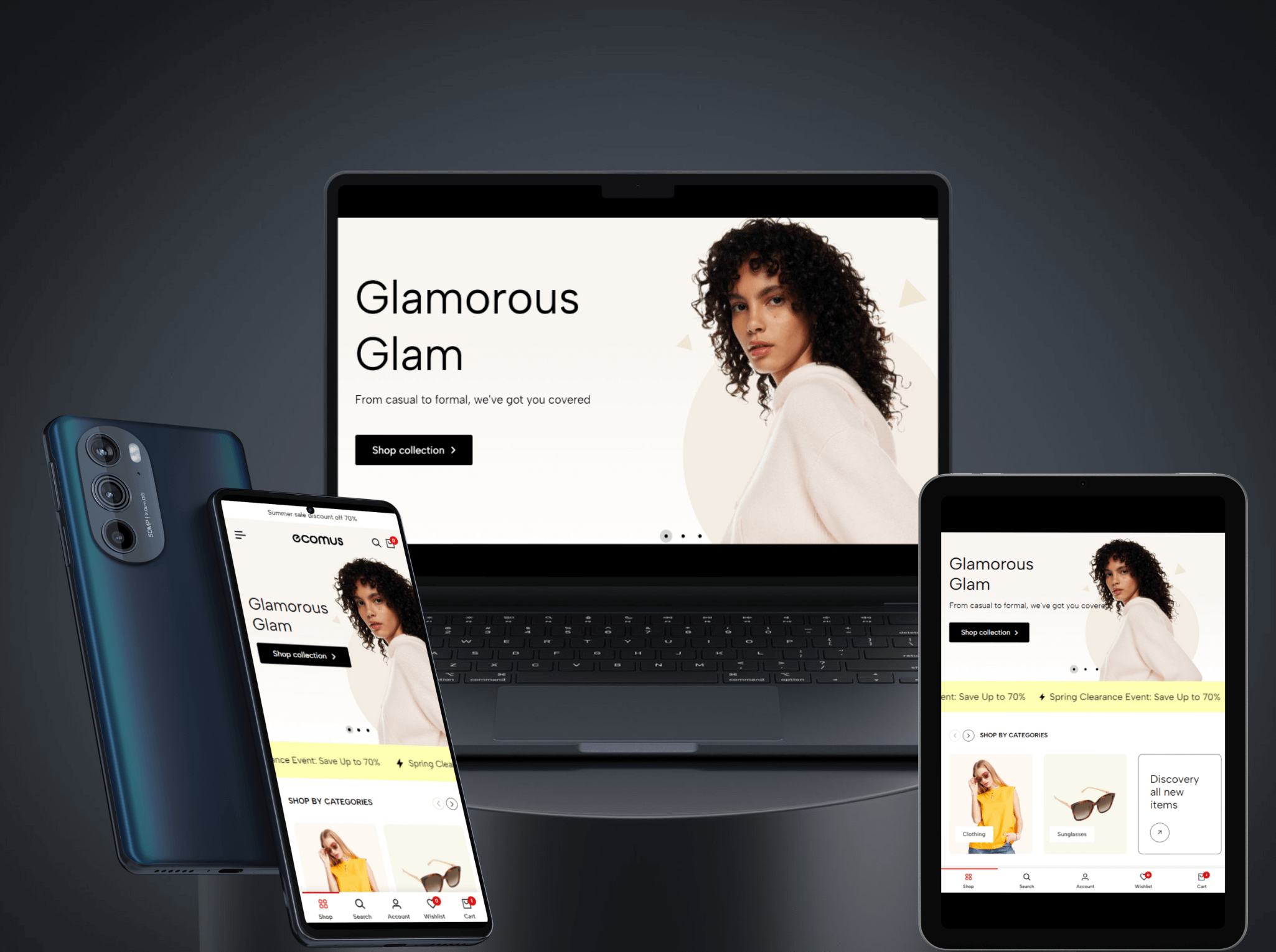

The Mobile Revolution Continues: Why Mobile-First is Non-Negotiable in 2026
The digital landscape is constantly evolving, but one truth remains steadfast: mobile devices dominate. As we navigate 2026, the imperative for businesses to adopt a mobile-first web design approach is stronger than ever. It's no longer just a trend; it's the foundation for a successful online presence, influencing everything from user engagement to search engine rankings and ultimately, your bottom line.
Consider the daily habits of your target audience. From checking emails and social media to making purchases and researching products, smartphones and tablets are the primary gateways to the internet for billions worldwide. This shift isn't slowing down; it's accelerating. For any business aiming to thrive, ignoring mobile users is akin to ignoring the vast majority of potential customers.
What Exactly is Mobile-First Design?
Mobile-first design is a strategy where designers and developers prioritize the mobile experience during the initial stages of website creation. Instead of designing for desktops and then adapting for smaller screens, the process begins with the most constrained environment – the mobile phone. This ensures that the core content and functionality are optimized for smaller displays, touch interactions, and often slower network speeds, before progressively enhancing the design for larger screens like tablets and desktops.
This approach was significantly championed by Google, which introduced mobile-first indexing in 2018, gradually rolling it out to become the default for all new websites. This seismic shift underscored Google's commitment to user experience, effectively telling the world: if your website isn't great on mobile, it won't rank well.
Why Mobile-First Design is Your Business's Lifeline in 2026
1. Unmatched User Experience (UX) and Engagement
A mobile-first design philosophy inherently leads to a superior user experience. When you design for the smallest screen, you're forced to prioritize content, streamline navigation, and eliminate clutter. This often results in a cleaner, faster, and more intuitive experience for all users, regardless of their device. Users today expect instant access and seamless interaction. If your site is slow, difficult to navigate, or poorly formatted on their phone, they'll bounce.
Optimizing for mobile first ensures:
- Faster loading times, crucial for user retention.
- Intuitive touch navigation, reducing frustration.
- Legible text and appropriately sized interactive elements.
- Focused content, delivering information efficiently.
2. Dominating Search Engine Optimization (SEO)
As mentioned, Google's mobile-first indexing means that the mobile version of your website is what Google primarily uses for ranking and indexing. This makes mobile-first design a critical SEO ranking factor. Websites that are not mobile-friendly are penalized in search results, making them harder for potential customers to find.
A mobile-first approach directly impacts your SEO by:
- Improving site speed, a key ranking signal.
- Reducing bounce rates, indicating user satisfaction to search engines.
- Enhancing user engagement metrics, which positively influence rankings.
- Ensuring crawlability and indexability of your content for mobile bots.
In 2026, a strong mobile presence isn't just a bonus; it's a prerequisite for visibility.
3. Boosting Conversion Rates
A smooth, enjoyable mobile experience directly translates to higher conversion rates. Whether it's signing up for a newsletter, filling out a contact form, or making a purchase, a website that functions flawlessly on mobile reduces friction in the user journey. Conversely, a clunky mobile site creates frustration, leading to abandoned carts and missed opportunities.
Businesses that invest in mobile-first design often see a significant return on investment through:
- Increased lead generation from mobile users.
- Higher e-commerce sales.
- Better engagement with calls to action.
4. Future-Proofing Your Digital Presence
The pace of technological change is relentless. Designing mobile-first inherently prepares your website for future devices and screen sizes. By focusing on adaptability and flexibility from the outset, your website will be more resilient to emerging technologies and evolving user behaviors. This forward-thinking approach reduces the need for costly redesigns down the line.
To stay ahead, businesses must embrace web design trends for 2026, with mobile-first being a foundational element.
5. Enhanced Accessibility
Mobile-first design often results in a more accessible website for users with various disabilities. By focusing on clear layouts, logical content structure, and robust coding, you create a more inclusive digital environment. Accessibility is not just good practice; it's increasingly a legal requirement and a moral imperative for businesses.
Key Principles of Effective Mobile-First Design
Implementing a mobile-first strategy involves adherence to several core principles:
- Content-First Approach: Identify and prioritize the most crucial content for your mobile users. What do they need to see immediately?
- Performance Optimization: Minimize file sizes, optimize images, and leverage efficient code to ensure lightning-fast loading times.
- Touch-Friendly Navigation: Design buttons and links with ample spacing for easy tapping. Avoid small, crowded interactive elements.
- Responsive Layouts: While starting mobile-first, ensure your design scales gracefully to larger screens using fluid grids and flexible images.
- Prioritize Essential Features: Decide which functionalities are absolutely critical on mobile and which can be progressively enhanced or hidden on larger screens.
Implementing Mobile-First: Strategies and Considerations
Transitioning to or building with a mobile-first mindset requires a strategic approach.
Start Small, Scale Up
Begin with the simplest layout and essential content. Once the mobile experience is perfected, progressively add more complex elements and features for tablet and desktop views. This 'graceful degradation' (or 'progressive enhancement' in reverse) ensures a solid baseline experience for everyone.
Thorough Testing Across Devices
Regularly test your website on actual mobile devices, not just emulators. Different operating systems, screen sizes, and browser versions can display your site differently. User testing provides invaluable feedback.
Leveraging Frameworks and Tools
Modern web development frameworks like Bootstrap, Foundation, or CSS Grid and Flexbox are designed with responsiveness in mind, making mobile-first implementation significantly easier. Utilizing these tools can accelerate your development process and ensure consistency.
Working with Experts
If your in-house team lacks the expertise or bandwidth, partnering with a specialized web development agency can be highly beneficial. Companies offering professional web design and development services can guide you through the complexities of mobile-first design, ensuring your site is optimized, secure, and future-ready.
The Tangible Impact on Your Business
The benefits of a mobile-first web design aren't just theoretical; they translate into measurable business growth.
- Increased Traffic: Higher search rankings and better user experience attract more visitors.
- Higher Conversions: Streamlined mobile interactions lead to more leads and sales.
- Stronger Brand Image: A modern, user-friendly website enhances your brand's credibility and professionalism.
- Competitive Advantage: Outperform competitors who are still lagging in mobile optimization.
We've helped numerous clients achieve these results through strategic design. You can explore some of our successful projects in our portfolio.
Looking Ahead: Mobile-First and Emerging Technologies
As we advance into 2026 and beyond, mobile-first design will remain foundational while adapting to new technologies:
- Voice Search Optimization: Websites optimized for mobile often have simpler, more direct content, which naturally aligns with voice search queries.
- AI Integration: AI-powered chatbots and personalized experiences will be delivered primarily through mobile interfaces.
- Progressive Web Apps (PWAs): PWAs combine the best of web and app experiences, offering offline capabilities, push notifications, and app-like interactions directly from a mobile browser. Mobile-first design principles are critical for PWA development.
Conclusion: Embrace Mobile-First or Be Left Behind
In 2026, mobile-first web design is no longer a strategic option but a fundamental requirement for online success. It's the key to capturing and retaining mobile users, achieving higher search engine rankings, and ultimately driving your business forward in an increasingly mobile-centric world. By prioritizing the mobile experience, you're not just building a website; you're building a resilient, high-performing digital platform that connects with your audience where they are most active.
Don't let an outdated website hold your business back. Embrace mobile-first design and unlock your full online potential.