












Local SEO Domination: Top 5 Studio Tools for Small Biz
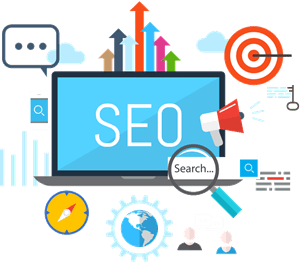
In today's dynamic digital landscape, a strong online presence is no longer a luxury but a fundamental necessity for any small business aiming to thrive. For local businesses, this necessity sharpens its focus onto what we call Local SEO. This specialized branch of search engine optimization isn't just about showing up in search results; it's about showing up when and where it matters most: right in front of customers actively searching for products or services near them. Think about it: when you need a plumber, a coffee shop, or a boutique, you're likely pulling out your phone and searching for "plumber near me" or "coffee shops in [your city]". Local SEO is the engine that connects your business with these immediate, high-intent searches.
As expert content strategists and professional writers, we have systematically analyzed the evolving needs of small businesses in the digital realm. We understand that resources, both financial and time-based, are often limited. Therefore, selecting the right "studio tools" – essential, actionable resources that yield significant results – is paramount. These aren't just fancy software subscriptions; they are foundational pillars designed to simplify complex SEO tasks, making local search engine domination an achievable goal for every small enterprise.
Our objective in this comprehensive guide is to demystify local SEO and equip you with an understanding of the five most impactful tools available in 2026. We will explain why each tool is critical, how it functions, and the tangible benefits it brings to your local visibility and customer acquisition efforts. By integrating these tools and strategies, small businesses can significantly enhance their digital footprint, attract more local customers, and ultimately, grow their revenue.
Understanding the Landscape: Why Local SEO Matters More Than Ever
The rise of mobile search and voice assistants has fundamentally shifted consumer behavior. People are increasingly using their devices to find local information, services, and products on the go. Google, recognizing this trend, has heavily invested in local search features, displaying local business profiles, maps, and reviews prominently in search results. This means that if your business isn't optimized for local search, you're effectively invisible to a significant portion of your potential customer base.
Local SEO isn't just about getting discovered; it's also about building trust and credibility. When customers see consistent, accurate information about your business across various online platforms, coupled with positive reviews, it instills confidence. This trust often translates into a visit, a phone call, or a purchase. Furthermore, local SEO is often less competitive than national or global SEO, offering small businesses a more realistic pathway to ranking highly for relevant keywords.
We see local SEO as a cornerstone of any effective digital marketing strategy for businesses with physical locations or those serving specific geographical areas. For those looking to expand their overall digital footprint, understanding the broader context of Web Design & Digital Marketing Company in Gurgaon | PS TECH can provide a holistic view of online growth.
The Top 5 Studio Tools for Local SEO Domination in 2026
Having established the importance of local SEO, let's dive into the core "studio tools" that will empower your small business to achieve local search excellence. We've carefully selected these based on their efficacy, user-friendliness, and direct impact on local search rankings and customer engagement.
1. Google Business Profile (GBP): Your Digital Storefront
What it is: Previously known as Google My Business, Google Business Profile is a free tool provided by Google that allows businesses to manage their online presence across Google Search and Google Maps. It's essentially your business's comprehensive digital listing, showcasing vital information to potential customers.
Why it's Crucial: GBP is arguably the single most important local SEO tool. It dictates how your business appears in the "Local Pack" (the map results with three businesses listed), Google Maps, and Knowledge Panels. An optimized GBP listing provides instant visibility and credibility.
Key Features and How to Leverage Them:
- Accurate Business Information: Ensure your business name, address, phone number (NAP), website, and hours of operation are precise and consistent. Inaccuracies can severely harm your local rankings.
- Categories: Choose the most specific and relevant primary and secondary categories for your business. This helps Google understand what your business does and display it for relevant searches.
- Services/Products: List the services or products you offer. This provides more context to users and Google, enhancing your visibility for specific offerings.
- Photos & Videos: High-quality images of your storefront, interior, products, and team significantly boost engagement. Businesses with photos receive more requests for directions and website clicks.
- Reviews & Q&A: Actively manage and respond to customer reviews. Positive reviews are a huge ranking factor and build trust. Use the Q&A section to proactively address common customer questions.
- Posts: Use GBP Posts to share updates, offers, events, and new products directly within your Google listing, keeping it fresh and engaging.
2. Google Search Console (GSC): The Health Monitor for Your Website
What it is: Google Search Console is another free tool from Google that helps you monitor, maintain, and troubleshoot your site's presence in Google Search results. While not exclusively a "local" SEO tool, its insights are invaluable for the underlying website that supports your local business.
Why it's Crucial: Your local SEO efforts will often drive traffic to your website. If your website has technical issues that prevent Google from crawling or indexing it correctly, or if it's not mobile-friendly, your local SEO performance will suffer indirectly. GSC helps you identify and rectify these problems.
Key Features and How to Leverage Them:
- Performance Report: See which keywords users are searching for to find your site, how often your site appears in search results (impressions), and how often users click through (clicks). This data can inform your content strategy and help you identify local keyword opportunities.
- Index Coverage: Monitor which pages on your site Google has indexed and identify any errors that might prevent pages from being shown in search results.
- Enhancements (Core Web Vitals & Mobile Usability): GSC reports on Core Web Vitals, which are crucial for user experience and increasingly important for rankings. It also highlights mobile usability issues, ensuring your local customers have a smooth experience on their phones.
- Sitemaps: Submit your XML sitemap to help Google discover and crawl all the important pages on your site.
- Manual Actions & Security Issues: GSC alerts you to any penalties or security compromises, allowing you to address them swiftly.
3. Review Management Strategy (and Tools): Building Trust and Reputation
What it is: This isn't necessarily a single piece of software but rather a critical strategy that may be supported by various tools. It involves actively soliciting, monitoring, and responding to customer reviews across platforms like Google Business Profile, Yelp, Facebook, and industry-specific sites.
Why it's Crucial: Customer reviews are potent social proof. They significantly influence purchasing decisions and are a major ranking factor for local SEO. A consistent stream of positive reviews, coupled with thoughtful responses, can set your small business apart from competitors.
Key Aspects and Tools for Effective Review Management:
- Active Solicitation: Don't wait for reviews; ask for them! Implement a process to gently encourage satisfied customers to leave reviews. This could be via email, SMS, or even a QR code at your physical location.
- Monitoring Tools: While you can manually check platforms, tools like Birdeye, Podium, or GatherUp aggregate reviews from various sources into one dashboard, making monitoring efficient. They can also help automate review requests.
- Thoughtful Responses: Respond to all reviews, positive and negative. For positive reviews, express gratitude. For negative ones, apologize sincerely, offer to resolve the issue offline, and demonstrate your commitment to customer satisfaction. This shows potential customers that you care.
- Consistency Across Platforms: Encourage reviews on platforms relevant to your industry. For example, a restaurant needs Yelp and Google reviews, while a service provider might focus on Google and specific industry directories.
4. Local Citation & Listing Management Tools: Ensuring Data Consistency
What it is: Local citations are online mentions of your business's Name, Address, and Phone number (NAP). These can be on business directories (like Yelp, Yellow Pages, TripAdvisor), social media platforms, or local chamber of commerce websites. Listing management tools help you manage and distribute your business information to these various directories automatically.
Why it's Crucial: Google uses citations to verify your business information and assess its legitimacy and trustworthiness. Inconsistent NAP information across different directories (e.g., a slightly different address or phone number) can confuse search engines, leading to lower local rankings. These tools ensure consistency and broaden your online footprint.
Key Tools and Their Benefits:
- BrightLocal: Offers comprehensive local SEO tools, including citation building and auditing, local rank tracking, and Google Business Profile management. We appreciate its user-friendly interface for small businesses.
- Moz Local: Another robust platform that helps distribute your business data to major data aggregators and directories, ensuring consistency across the web.
- Yext: A more enterprise-level solution, but also highly effective for managing listings and ensuring data accuracy across a vast network of sites.
Using these tools saves immense time compared to manually submitting your business details to hundreds of directories. They also help identify and fix "data discrepancies" or "NAP mismatches" that could be hurting your local SEO.
5. Website Analytics Platform (e.g., Google Analytics): Understanding Your Audience
What it is: Google Analytics (GA4 being the current iteration) is a free web analytics service offered by Google that tracks and reports website traffic. It provides deep insights into how users interact with your website, where they come from, and what actions they take.
Why it's Crucial: While GA4 doesn't directly influence local search rankings, it provides essential data that informs and refines your local SEO strategy. Understanding user behavior on your site helps you optimize for conversions, which is the ultimate goal of any marketing effort.
Key Insights from Google Analytics for Local SEO:
- Geographic Data: See where your website visitors are coming from. This helps confirm if your local SEO efforts are attracting the right local audience.
- User Behavior: Understand which pages local visitors are most interested in, how long they stay, and their navigation paths. This can highlight content gaps or areas for improvement on your site.
- Conversion Tracking: Set up goals to track phone calls, form submissions, or direction requests initiated from your website. This directly measures the effectiveness of your local SEO in driving business outcomes.
- Traffic Sources: Identify how users are finding your website, distinguishing between organic search, direct, referral, and social traffic. This helps you understand the impact of your SEO efforts versus other marketing channels.
By regularly reviewing these analytics, you can make data-driven decisions to improve your website's content, user experience, and overall conversion rates, directly supporting your local business objectives. For instance, if you're running local ad campaigns, understanding how much these campaigns might cost and their potential ROI can be estimated using a Meta Ad Cost Calculator - Budget, Leads & ROI Estimator.
Comparing Local SEO Tool Approaches
To further illustrate the distinct advantages and applications of these tools, let's look at a comparative overview. This table highlights their primary function, cost implication, and specific impact on a small business's local SEO strategy.
| Tool Category | Primary Function | Cost Implication | Local SEO Impact & Benefit |
|---|---|---|---|
| Google Business Profile | Manages primary business listing on Google Search & Maps | Free | Direct local visibility, enhanced trust, customer engagement (reviews, Q&A) |
| Google Search Console | Monitors website's performance, health, and indexing in Google Search | Free | Ensures website technical health, informs content strategy, identifies crawl issues |
| Review Management (Strategy/Tools) | Solicits, monitors, and responds to customer reviews across platforms | Varies (Free/Paid Software) | Builds reputation & trust, influences purchasing decisions, boosts local ranking factors |
| Local Citation & Listing Management (e.g., BrightLocal) | Distributes and manages consistent business information across online directories | Paid Subscription | Ensures NAP consistency, expands online footprint, reinforces business legitimacy |
| Website Analytics (e.g., Google Analytics) | Tracks website traffic and user behavior data | Free | Informs content strategy, optimizes user experience, measures local conversion effectiveness |
Integrating Tools for a Holistic Local SEO Strategy
The true power of these tools isn't in using them in isolation, but in integrating them into a coherent, holistic local SEO strategy. We advocate for a systematic approach where insights from one tool inform actions in another. For example, performance data from Google Search Console can highlight keywords that are bringing local traffic, which can then be used to optimize your Google Business Profile descriptions or create targeted GBP posts. Similarly, insights from Google Analytics about popular local pages on your site can guide the development of new content, perhaps featured in the Latest in Web Design, Digital Marketing & Tech Trends section of your website.
Advanced Strategies for Local Domination
Beyond the fundamental tools, there are several advanced strategies that small businesses can employ to further solidify their local search presence:
- Local Content Marketing: Create blog posts, articles, and guides focused on local events, news, or issues. For example, "Best Hiking Trails in [Your City]" for an outdoor gear store or "Top 5 Local Restaurants to Try This Month" for a food blogger. This positions your business as a local authority.
- Schema Markup: Implement structured data markup on your website. This code helps search engines better understand the content on your pages, such as business hours, reviews, and specific product information.
- Link Building with a Local Focus: Seek out backlinks from other reputable local businesses, community organizations, or local news outlets. These local signals significantly boost your domain authority in the eyes of search engines for local queries.
- Mobile Optimization: With the majority of local searches happening on mobile devices, ensuring your website is fast, responsive, and easy to navigate on smartphones is non-negotiable.
We routinely see businesses that excel at local SEO also tend to have a strong overall digital presence. This includes not just their local listings but also a well-optimized website, active social media engagement, and a clear understanding of their online reputation.
The Evolving Landscape of Local Search
Local SEO is not static; it continually evolves with Google's algorithm updates and shifts in consumer behavior. Voice search, for instance, is becoming increasingly prevalent, prompting businesses to optimize for conversational long-tail keywords. Artificial intelligence also plays a growing role, with Google's algorithms becoming more sophisticated at understanding user intent and providing highly personalized local results. Keeping an eye on these developments and adapting your strategies is key to sustained success. We keep our finger on the pulse of these changes, advising our clients to focus on user experience, content quality, and consistent online representation as evergreen strategies.
For more detailed insights into Google's guidelines for local businesses, we often refer to their official documentation, which emphasizes the importance of accurate and complete information. A valuable resource can be found directly from Google Business Profile Help Center, which provides comprehensive guidelines for optimizing your listing. Additionally, for a broader understanding of local SEO best practices and industry trends, highly authoritative sources such as Moz's Local SEO Guide offer invaluable insights and research-backed strategies.
Conclusion: Empowering Your Small Business with Local SEO
Dominating local search in 2026 is an achievable goal for any small business willing to invest time and strategic effort. By embracing these five essential "studio tools" – Google Business Profile, Google Search Console, a robust Review Management Strategy, Local Citation & Listing Management tools, and a reliable Website Analytics Platform – you are not just optimizing for search engines; you are building a stronger, more trustworthy, and more visible presence for your customers. These tools simplify the complexities of local SEO, allowing you to focus on what you do best: serving your community and growing your business.
Remember, local SEO is an ongoing process, not a one-time task. Consistent monitoring, updating, and adapting your strategy based on performance data and market changes will ensure your small business remains competitive and continues to attract the local customers who are actively looking for you. Embrace these digital tools, and watch your local business flourish.