











Introduction: The Digital Imperative and Your Quest for a Web Design Agency
In today's hyper-connected world, a professional, functional, and aesthetically pleasing website is no longer a luxury but a fundamental necessity for any business. It serves as your digital storefront, your 24/7 salesperson, and often the first point of contact for potential customers. But simply having a website isn't enough; it needs to be effective. This is where the expertise of a professional web design agency becomes invaluable. However, with countless agencies vying for your attention, how do you choose the right one? This comprehensive guide will walk you through the critical steps and considerations to ensure you partner with an agency that can transform your vision into a compelling digital reality.
Choosing the right web design agency is a pivotal business decision. A well-designed website can significantly enhance your brand's credibility, improve user experience, drive conversions, and ultimately, fuel your growth. Conversely, a poorly designed site can deter visitors, damage your reputation, and hinder your online potential. Therefore, investing time in selecting the perfect partner is an investment in your business's future.
Step 1: Define Your Needs and Set Clear Objectives
Before you even begin searching for agencies, it's crucial to have a clear understanding of what you want to achieve with your new or redesigned website. This foundational step will guide your search and help you articulate your expectations to potential partners.
What are Your Business Goals?
- Lead Generation: Do you want your website to capture contact information for potential clients?
- E-commerce Sales: Are you looking to sell products or services directly online?
- Brand Awareness: Is the primary goal to establish or reinforce your brand's online presence and authority?
- Information Hub: Will your website serve mainly as a resource center for your audience?
- Customer Support: Will it provide FAQs, forums, or contact options for existing customers?
Identify Your Target Audience
Who are you trying to reach? Understanding your audience's demographics, preferences, and online behavior will inform the design, content, and functionality of your website. A site designed for teenagers will look and feel very different from one targeting B2B professionals.
Determine Your Budget
Web design costs can vary dramatically, from a few hundred to tens of thousands of USD or even more. Be realistic about what you can afford and allocate a specific budget range. This will help you filter agencies that are outside your financial scope. For instance, a basic informational website might cost between 2,000 USD and 5,000 USD, while a complex e-commerce platform could easily exceed 15,000 USD or 20,000 USD. If you're wondering how much does a website cost in USA in 2026, a comprehensive guide can provide detailed insights into various pricing tiers.
Outline Your Project Scope and Functionality
- Number of Pages: How many pages do you anticipate needing?
- Specific Features: Do you require a blog, contact forms, appointment booking, payment gateways, a customer portal, or a specific CMS (like WordPress, Shopify, Squarespace)?
- Content: Do you have existing content, or will the agency need to assist with content creation?
- Timeline: What is your desired launch date?
Step 2: Research and Shortlist Potential Agencies
Once you have your requirements clear, it's time to start searching for agencies. Look beyond simple Google searches. Consider referrals, industry publications, and online directories.
Look at Portfolios and Case Studies
A web design agency's portfolio is perhaps the most telling indicator of its capabilities and aesthetic style. Review their past work closely:
- Do their designs align with your brand's vision?
- Do they have experience in your industry or with projects of similar complexity?
- Are the websites functional, visually appealing, and user-friendly?
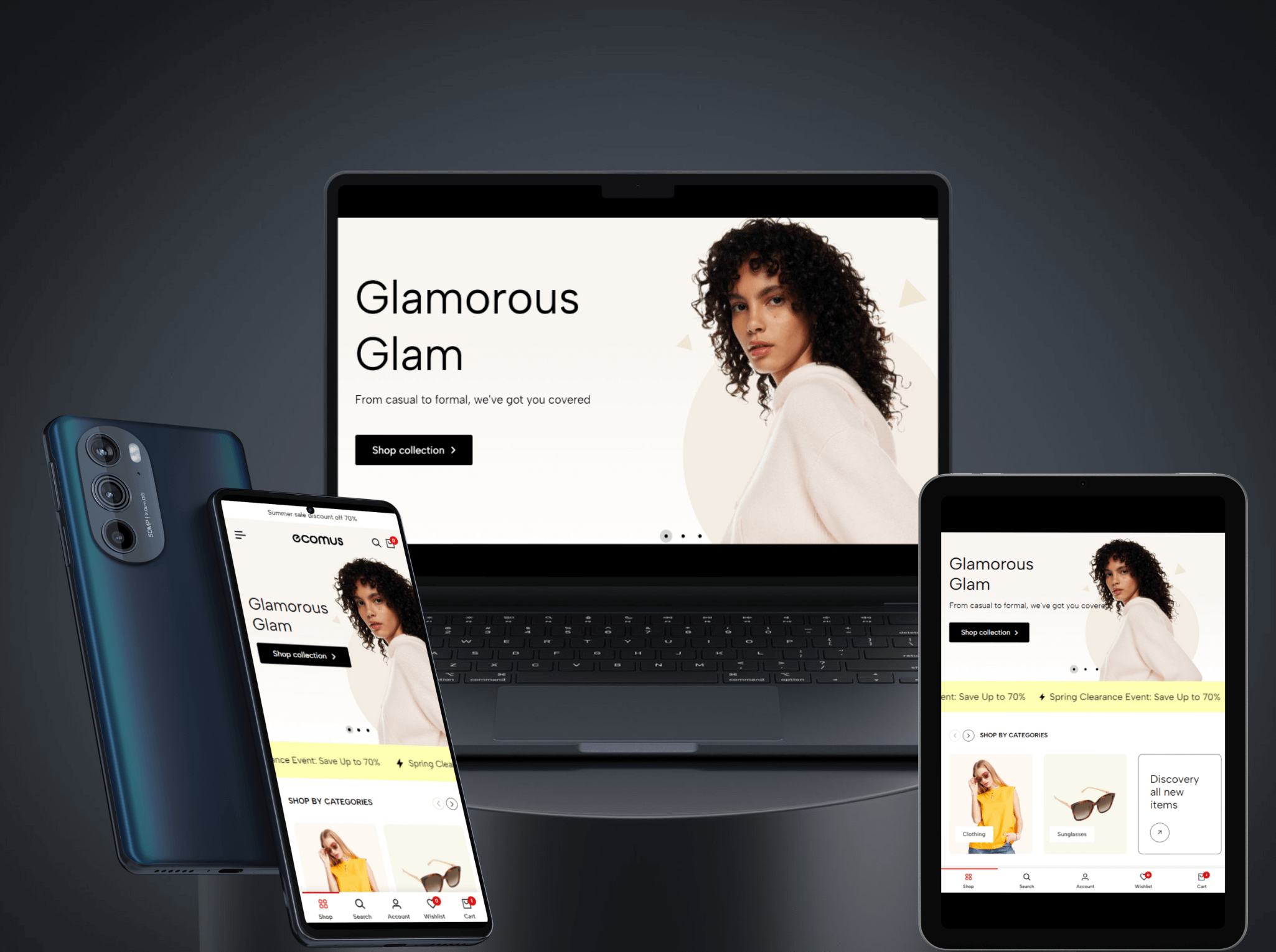
- Are they responsive (meaning they look good on all devices)?
Case studies can provide deeper insights into an agency's problem-solving approach, client collaboration, and measurable results. They often detail the challenges, solutions implemented, and the impact on the client's business.
Evaluate Their Expertise and Services Offered
A good web design agency offers more than just pretty visuals. Look for agencies that provide a holistic range of services, including:
- UI/UX Design: User Interface (UI) focuses on the look and feel, while User Experience (UX) ensures the site is intuitive and easy to navigate. Both are crucial for engaging visitors.
- Responsive Web Design: Essential for mobile compatibility.
- Search Engine Optimization (SEO): To ensure your website is discoverable on Google and other search engines.
- Content Strategy and Creation: Engaging and relevant content is king.
- E-commerce Development: If you plan to sell online.
- Website Maintenance and Support: Ongoing updates, security, and technical assistance.
- Digital Marketing Integration: How well they can integrate with your broader marketing efforts.
Check Client Testimonials and Reviews
What do previous clients say about working with the agency? Look for reviews on independent platforms like Clutch, Google My Business, and professional social media. Pay attention to comments regarding communication, professionalism, timeliness, and the quality of the final product.
Step 3: The Vetting Process & Key Questions to Ask
Once you have a shortlist, it's time to engage with potential agencies. Schedule initial consultations and come prepared with a list of questions.
Critical Questions to Ask a Web Design Agency:
- What is your design and development process? A well-defined process indicates professionalism and efficiency. It should include discovery, wireframing, design, development, testing, and launch.
- Who will be working on my project, and what are their roles? Understand the team structure and who your main point of contact will be.
- How do you handle project management and communication? Will you have regular meetings, access to a project management tool, or email updates? Clear communication is paramount.
- What is your approach to UI/UX design? Ask about their research methods, prototyping, and how they ensure a user-centric design.
- How do you ensure the website is SEO-friendly? Discuss their on-page SEO strategies, technical SEO considerations, and content optimization recommendations.
- What technologies and platforms do you specialize in? Ensure their tech stack aligns with your long-term goals and scalability needs.
- How do you handle revisions and feedback? Understand their revision cycles and how they incorporate client feedback.
- What is included in your pricing, and are there any hidden costs? Get a detailed breakdown of costs, including design, development, content, third-party integrations, hosting, and ongoing maintenance.
- What kind of post-launch support and maintenance do you offer? Will they assist with updates, bug fixes, security, and performance monitoring?
- Can you provide references from past clients? Speaking directly with previous clients can offer invaluable insights into their experience.
These questions are crucial for determining if an agency is the right fit. For more insights on this, you might find our article on how to choose a web development company helpful, as many principles overlap.
Step 4: Evaluate Proposals and Compare Agencies
After your consultations, agencies will likely provide detailed proposals. Carefully review each one.
- Clarity and Detail: Is the proposal clear, comprehensive, and easy to understand?
- Scope Alignment: Does it accurately reflect your defined needs and project scope?
- Pricing Structure: Is the pricing transparent, with no hidden fees? Does it align with your budget?
- Timeline: Is the proposed timeline realistic and does it meet your expectations?
- Deliverables: Does it clearly outline what you will receive at each stage and upon completion?
- Contract Terms: Read the contract carefully. Understand payment schedules, ownership of intellectual property, confidentiality clauses, and termination policies.
Don't be afraid to ask for clarifications on any part of the proposal that is unclear. A reputable agency will be happy to walk you through it.
Step 5: Red Flags to Watch Out For
While most agencies are professional, some red flags can indicate a potentially problematic partnership:
- Unrealistic Promises: Beware of agencies guaranteeing top Google rankings overnight or promising exceptionally low prices for extensive features.
- Poor Communication: If an agency is slow to respond, unclear, or unresponsive during the initial vetting phase, it's a strong indicator of future communication issues.
- Lack of Portfolio or Experience: If they can't show relevant past work or are vague about their experience, proceed with caution.
- Pressure Sales Tactics: High-pressure sales without truly understanding your needs are a warning sign.
- Lack of Transparency: If they are unwilling to provide detailed breakdowns of costs, processes, or technologies.
- No Contract or Vague Terms: Always insist on a detailed, legally binding contract.
Conclusion: Making Your Final Decision
Choosing the right web design agency is a critical decision that will impact your online presence and business success. By defining your needs, thoroughly researching agencies, asking insightful questions, and carefully evaluating proposals, you can make an informed choice.
Look for an agency that not only possesses the technical skills and creative flair but also demonstrates a genuine understanding of your business goals, a strong communication ethic, and a proven track record of delivering results. Remember, this isn't just a transaction; it's the beginning of a partnership that should empower your business to thrive in the digital landscape. Invest your time wisely in this selection process, and you'll reap the rewards of a powerful, effective website for years to come.