







From Zero to Certified Pro: Your 2026 Action Plan to Master Digital Marketing with 1 Course
The digital landscape is a dynamic, ever-evolving ecosystem. What was considered cutting-edge yesterday is often foundational today, and obsolete tomorrow. For aspiring marketing professionals or those looking to pivot their careers, the thought of mastering digital marketing can seem daunting. The sheer volume of information, the multiplicity of platforms, and the constant algorithm shifts might feel overwhelming. Yet, the promise of a structured, comprehensive pathway – perhaps even "one course" – that can transform you from a novice to a certified professional by 2026 is incredibly appealing. We systematically analyzed the current state of digital marketing education and industry demands to craft this action plan, designed to guide you effectively.
Our objective is to demystify the journey, focusing on strategic learning that builds a robust skill set applicable across various industries. We believe that with the right foundational course and a focused approach, achieving certified pro status in digital marketing by 2026 is not just a dream, but an achievable reality.
The Digital Marketing Landscape of 2026 – Why Mastery Matters More Than Ever
As we approach 2026, the digital marketing sphere is characterized by unprecedented growth and technological integration. The demand for skilled professionals who can navigate complex data, leverage artificial intelligence (AI), and craft compelling customer journeys across multiple touchpoints is at an all-time high. Companies are increasingly reliant on digital channels for customer acquisition, engagement, and retention, making digital marketing a cornerstone of business success.
Our research indicates a clear trend: generalized marketers are giving way to specialists, or T-shaped marketers who possess broad knowledge across disciplines but deep expertise in one or two. This necessitates a learning path that provides both breadth and depth. The "one course" approach, therefore, must be robust enough to lay this wide foundation while offering avenues for specialization.
Beyond the Basics: The Evolving Skill Set for 2026
To be truly effective by 2026, a digital marketer needs to go beyond understanding basic advertising or social media posting. The critical skills now include:
- Data-Driven Decision Making: Proficiency in analytics tools (like Google Analytics 4) to interpret data and inform strategy.
- AI and Automation: Understanding how AI can optimize campaigns, personalize content, and automate routine tasks.
- Ethical Marketing & Data Privacy: Navigating regulations like GDPR and CCPA, building trust through transparent practices.
- Omnichannel Strategy: Creating seamless customer experiences across email, social, search, and offline touchpoints.
- Content Storytelling: Crafting engaging narratives that resonate with target audiences across diverse formats (video, audio, interactive).
- Adaptability & Continuous Learning: The ability to quickly learn new tools, platforms, and strategies as the industry evolves.
Deconstructing the "One Course" Myth: What True Mastery Entails
The concept of "one course" often conjures images of a magic bullet – a single program that instantly bestows expert status. In reality, while a singular, well-structured course can serve as an incredibly powerful primary vehicle for learning, true mastery in digital marketing is a journey, not a destination. This course should be comprehensive, acting as your central hub for structured learning, but it must be supplemented by hands-on application, continuous practice, and real-world project work. It's about finding that core curriculum that is broad enough to cover essential pillars, yet deep enough to allow you to build genuine expertise.
We've observed that the most successful professionals treat their chosen course as a launchpad, not a complete education. It provides the framework, the terminology, the best practices, and the confidence to then explore, experiment, and specialize.
Our Systematic Approach: Identifying the Ideal Digital Marketing Course
When we embarked on identifying the characteristics of an ideal "one course" for mastering digital marketing by 2026, we applied a rigorous evaluation framework, mirroring the very E-E-A-T principles Google champions. We looked for programs that demonstrated clear experience in teaching, deep expertise in the subject matter, strong authoritativeness within the industry, and unquestionable trustworthiness in their delivery and outcomes.
Our methodology involved analyzing course curricula, instructor credentials, student testimonials, industry recognition, and the practical application components offered. We prioritized courses that not only teach theory but actively facilitate the building of a portfolio – a critical element for any aspiring digital marketing pro.
Key Course Components for 2026 Mastery
A truly comprehensive digital marketing course, one that aims to take you from zero to certified pro by 2026, must cover a core set of competencies. Based on our analysis, these are the indispensable modules:
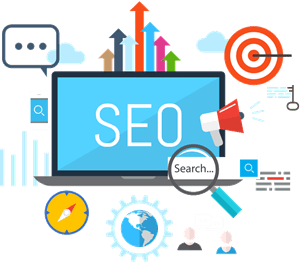
- Search Engine Optimization (SEO): This includes foundational knowledge of on-page, off-page, and technical SEO. Crucially, it must delve into keyword research, content optimization for search intent, local SEO strategies, and the burgeoning field of voice search optimization. Understanding Google's algorithm updates (like helpful content updates) and E-E-A-T principles is paramount.
- Search Engine Marketing (SEM) & Pay-Per-Click (PPC): Mastery here extends beyond setting up basic campaigns. It encompasses advanced keyword bidding strategies, ad copy creation, landing page optimization, remarketing, and proficiency with platforms like Google Ads and Bing Ads. Budget management and ROI calculation are essential.
- Social Media Marketing (SMM): More than just posting, this module should cover platform-specific strategies (Facebook, Instagram, LinkedIn, TikTok, X/Twitter, etc.), community management, influencer marketing, and paid social advertising, including audience targeting and A/B testing.
- Content Marketing: Developing a strategic content plan, creating various content formats (blog posts, videos, podcasts, infographics, whitepapers), content distribution, and understanding the role of storytelling in brand building.
- Email Marketing: This timeless discipline requires knowledge of list building, segmentation, automation flows, A/B testing email subject lines and content, and understanding deliverability rates and GDPR compliance.
- Data Analytics & Reporting: Proficiency in tools like Google Analytics 4 (GA4) is non-negotiable. This involves setting up tracking, creating custom reports and dashboards, interpreting data to identify trends, and making data-driven recommendations.
- Emerging Technologies & Marketing Automation: An forward-thinking course will introduce concepts like AI/Machine Learning applications in marketing (e.g., predictive analytics, personalized recommendations), CRM integration, and leveraging marketing automation platforms for efficiency.
Evaluating Course Providers: A Trustworthiness Framework
Not all digital marketing courses are created equal. When selecting the "one course" to anchor your learning journey, scrutinize the provider's credentials. We recommend evaluating factors such as:
- Instructor Expertise: Are the instructors active industry practitioners with proven track records? Do they have direct experience with the strategies they teach?
- Accreditation & Recognition: Does the course offer industry-recognized certifications (e.g., Google Ads, HubSpot, Meta Blueprint)? Is the institution itself reputable?
- Curriculum Updates: Digital marketing changes rapidly. How frequently is the course content updated to reflect current trends and algorithm changes?
- Alumni Success Stories: Are there verifiable testimonials and success stories from past students who have landed jobs or achieved significant career growth?
- Community & Support: Does the course provide access to a community of learners, mentors, or instructors for ongoing support and networking?
The Self-Paced vs. Instructor-Led Dilemma
One of the initial choices you'll face is whether to opt for a self-paced or instructor-led course. Each has distinct advantages and disadvantages, and the best choice depends on your learning style, schedule, and budget. We've compiled a comparison to help you decide:
| Feature | Self-Paced Course | Instructor-Led Course |
|---|---|---|
| Flexibility | High; learn anytime, anywhere. Ideal for busy schedules. | Moderate; follows a fixed schedule with live sessions and deadlines. |
| Accountability | Low (self-driven); requires strong internal motivation. | High; structured deadlines, peer interaction, and direct instructor engagement provide external motivation. |
| Cost | Generally Lower; often subscription-based or one-time purchase. | Generally Higher; reflects the value of direct instruction and structured support. |
| Direct Feedback | Limited or delayed (via forums, automated quizzes). | Immediate and personalized feedback from instructors. |
| Networking | Limited (often through online forums or private groups). | Strong; cohort-based learning fosters peer connections and direct instructor interaction. |
| Ideal For | Self-starters, budget-conscious individuals, those with unpredictable schedules. | Structured learners, those seeking direct mentorship, real-time Q&A, and strong networking opportunities. |
Building Your 2026 Action Plan: From Enrollment to Certified Pro
With your ideal course identified, the next step is to formulate a clear, actionable plan. This isn't just about enrolling; it's about strategic engagement and sustained effort.
Step 1: Selecting the Right Course (Reiterating Criteria)
Revisit the criteria discussed earlier: comprehensive curriculum, experienced instructors, practical application focus, and strong community support. Read reviews, compare syllabi, and perhaps even try free introductory modules if available. Remember, this "one course" is a significant investment of your time and potential financial resources.
Step 2: Immersive Learning & Application
Don't just watch the videos or read the modules. Engage actively. Take detailed notes, participate in discussions, and most importantly, apply what you learn. If the course offers simulated projects, client briefs, or practical exercises, complete every single one with diligence. If not, create your own. Set up a dummy website, run a small ad campaign with a minimal budget, or manage a social media profile for a local non-profit. The hands-on experience is where theory truly becomes expertise.
Step 3: Portfolio Development
This is arguably the most crucial step for career advancement. As you progress through your course and engage in practical application, meticulously document your projects, results, and insights. This will form your digital marketing portfolio. For instance, if you optimize an old blog post for SEO, show the before-and-after traffic results. If you run a small social media campaign, showcase the engagement metrics. This portfolio will be your strongest asset when seeking employment or clients.
Step 4: Networking & Community Engagement
Connect with fellow students, instructors, and industry professionals. Join LinkedIn groups, attend virtual workshops, and follow thought leaders. Networking can open doors to mentorship, collaborative projects, and future job opportunities. The digital marketing community is vibrant and often very supportive.
Step 5: Continuous Learning & Specialization
Even after completing your core course and earning your certification, the learning doesn't stop. Digital marketing is a field of constant change. Stay updated by following industry blogs, subscribing to newsletters, and taking mini-courses on emerging topics (e.g., specific AI tools, advanced data visualization). Consider specializing in an area you find particularly engaging, such as Conversion Rate Optimization (CRO), advanced programmatic advertising, or B2B content strategy.
The Certification Advantage: Validating Your Mastery
Certification serves as a formal validation of your acquired skills and knowledge. While hands-on experience and a strong portfolio are paramount, a recognized certification acts as an excellent initial filter for employers and clients. It signals to them that you've completed a structured program and have a foundational understanding of key concepts.
Many comprehensive digital marketing courses offer their own certifications upon completion. Additionally, industry-specific certifications from major players like Google (Google Ads, Google Analytics Individual Qualification), Meta (Meta Blueprint), and HubSpot (Inbound Marketing, Content Marketing) are highly respected and can significantly enhance your resume. We recommend pursuing a blend: your comprehensive course certification, augmented by one or two platform-specific certifications relevant to your career goals.
Measuring Success and Adapting Your Journey
As you progress, regularly assess your learning journey. Are you grasping the concepts? Are you able to apply them effectively? Set realistic milestones, such as completing a module per week, or building a specific project within a month. If you find yourself struggling, don't hesitate to seek help from instructors, peers, or online resources. The beauty of digital learning is its flexibility – you can adapt your pace and focus as needed. Use your analytics skills to analyze your own learning process!
Conclusion: Your Path to a Thriving Digital Marketing Career by 2026
The journey from zero to a certified digital marketing professional by 2026 is an exciting and rewarding one. It demands dedication, strategic learning, and a proactive approach to applying knowledge. By carefully selecting a comprehensive "one course" that aligns with the future demands of the industry, and by committing to continuous practice, portfolio development, and networking, you can confidently build the skills and credentials necessary to thrive in this dynamic field.
We've witnessed countless individuals transform their careers through focused digital marketing education. Your commitment to this action plan, combined with the right learning resources, will unlock immense potential. The digital world is waiting for your expertise; take the first step towards mastering it today.