












Digital Marketing Framework: Ignite Your Brand for 2026 Growth
In the rapidly evolving digital landscape, simply having an online presence is no longer enough to stand out. Businesses, regardless of their size or industry, must adopt a proactive, strategic approach to connect with their target audience and achieve sustainable growth. The year 2026 promises an even more dynamic environment, shaped by advancements in artificial intelligence, evolving consumer behaviors, and heightened expectations for personalized experiences. Without a comprehensive and adaptive digital marketing framework, brands risk being left behind.
We, as seasoned digital strategists, have systematically analyzed countless campaigns and market shifts to understand what truly drives success. This article is designed to provide you with an authoritative, knowledgeable, yet accessible guide to building and implementing a robust digital marketing framework that can ignite your brand and secure explosive growth in 2026 and beyond. We will delve into the essential pillars, discuss implementation strategies, and address common challenges, ensuring you are equipped with the insights needed to navigate this exciting future.
Understanding the Modern Digital Marketing Landscape
The digital marketing world today is a complex tapestry woven with data, technology, and human interaction. Gone are the days when a simple website and a few social media posts sufficed. Modern consumers are savvier, more discerning, and expect brands to understand their needs, offer value, and engage authentically. This shift necessitates a framework that integrates various channels and tactics into a cohesive strategy, rather than treating them as isolated efforts.
Key drivers of this modern landscape include:
- Data-Driven Decisions: From audience segmentation to campaign optimization, data analytics is at the core of every successful strategy.
- Hyper-Personalization: Consumers expect tailored content, offers, and experiences that resonate directly with their individual preferences.
- AI and Automation: Artificial intelligence is revolutionizing everything from content creation to customer service, offering unprecedented efficiency and insights.
- Privacy Concerns: Increased awareness around data privacy means brands must build trust through transparent and ethical data practices.
- Omnichannel Presence: Customers interact with brands across multiple touchpoints – websites, social media, email, apps – and expect a seamless experience.
Our experience shows that brands that fail to adapt to these changes often struggle with dwindling engagement, inefficient ad spending, and a declining competitive edge. A well-defined framework provides the necessary structure to harness these trends effectively.
The Core Pillars of Our Digital Marketing Framework
We have identified seven essential pillars that form the bedrock of a successful digital marketing framework. These pillars are interconnected and mutually reinforcing, creating a synergistic effect when implemented together. They cover every stage of the customer journey, from initial awareness to loyal advocacy.
- Strategic Foundation & Audience Insight
- Content Marketing – The Heartbeat of Engagement
- Search Engine Optimization (SEO) – Visibility is Key
- Paid Media & Advertising – Accelerating Reach
- Social Media Engagement – Building Community
- Email Marketing – Direct & Personalized Communication
- Website Experience (UX/UI) – Your Digital Storefront
Pillar 1: Strategic Foundation & Audience Insight
Every effective digital marketing effort begins with a clear strategy and a profound understanding of your audience. This foundational pillar involves setting specific, measurable, achievable, relevant, and time-bound (SMART) goals that align with your overall business objectives. Do you aim to increase brand awareness, generate leads, drive sales, or improve customer loyalty?
Once goals are established, the next crucial step is to deeply understand your target audience. This goes beyond basic demographics. We advocate for developing detailed buyer personas that capture psychographics, behaviors, pain points, aspirations, and preferred communication channels. Tools like customer surveys, website analytics, and social media listening can provide invaluable insights. Furthermore, a thorough competitive analysis helps identify opportunities and differentiate your brand in the market.
Pillar 2: Content Marketing – The Heartbeat of Engagement
Content is the fuel that powers your entire digital marketing engine. High-quality, valuable content attracts, engages, and converts your audience. This pillar focuses on creating and distributing content that addresses your audience's needs at every stage of their journey. Content can take many forms:
- Blog posts and articles
- Videos (tutorials, explainers, vlogs)
- Infographics and visual content
- E-books and whitepapers
- Podcasts
- Webinars and online courses
- Case studies and testimonials
The key is not just to create content, but to create relevant and valuable content that establishes your brand as a thought leader and problem-solver. A well-structured content calendar ensures consistency and alignment with your strategic goals. Effective content marketing builds trust and nurtures relationships, ultimately leading to conversions.
Pillar 3: Search Engine Optimization (SEO) – Visibility is Key
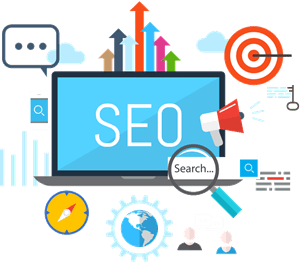
Even the most brilliant content will go unnoticed if it cannot be found. Search Engine Optimization (SEO) is the process of optimizing your website and content to rank higher in search engine results, thereby increasing organic (unpaid) visibility. This pillar is critical for long-term, sustainable growth. Our framework encompasses three main areas of SEO:
- On-Page SEO: Optimizing individual web pages to rank higher and earn more relevant traffic in search engines. This includes keyword research, optimizing title tags, meta descriptions, headings, content quality, and image alt text.
- Technical SEO: Ensuring your website is crawlable and indexable by search engines. This involves site speed optimization, mobile-friendliness, structured data markup, XML sitemaps, and addressing crawl errors.
- Off-Page SEO: Activities performed outside of your website to improve its search engine ranking. The most significant aspect of off-page SEO is link building, which involves acquiring high-quality backlinks from authoritative external websites. For businesses looking to enhance their off-page SEO efforts, we suggest exploring options from a comprehensive list of Top 100 Guest Posting Sites for SEO Success | Updated List.
Staying updated with Google's ever-evolving algorithms is vital. We continually monitor these changes to ensure our strategies remain effective and compliant.
Pillar 4: Paid Media & Advertising – Accelerating Reach
While SEO builds organic visibility over time, paid media and advertising provide immediate reach and targeted exposure. This pillar involves strategically investing in various online advertising platforms to drive traffic, generate leads, and boost sales. Common paid media channels include:
- Search Engine Marketing (SEM): Google Ads, Bing Ads, targeting users actively searching for products or services.
- Social Media Advertising: Platforms like Meta (Facebook, Instagram), LinkedIn, X (Twitter), TikTok, offering advanced targeting capabilities based on demographics, interests, and behaviors. When considering your budget and potential returns for social campaigns, utilizing a Meta Ad Cost Calculator - Budget, Leads & ROI Estimator can be incredibly helpful for forecasting.
- Display Advertising: Banners and visual ads on websites across the internet.
- Native Advertising: Ads that blend seamlessly with the surrounding content, appearing less intrusive.
- Retargeting/Remarketing: Showing ads to users who have previously interacted with your brand.
Effective paid media requires careful budget allocation, continuous A/B testing, and ongoing performance monitoring to maximize ROI. Our approach emphasizes data-driven optimization, ensuring every advertising dollar is spent effectively.
Let's compare the fundamental differences between organic and paid strategies:
| Feature | Organic Marketing (e.g., SEO, Content Marketing) | Paid Marketing (e.g., SEM, Social Ads) |
|---|---|---|
| Cost Structure | Primarily time and resource investment for content creation, optimization, and link building. Minimal direct ad spend. | Direct financial investment for ad impressions, clicks, or conversions. |
| Time to Results | Longer-term, results accumulate over weeks, months, or even years. Requires patience and consistent effort. | Faster, immediate visibility and traffic generation. Can scale quickly. |
| Control & Targeting | Less direct control over specific audience reach (relies on search queries, content sharing). Broader audience appeal. | High level of control over targeting demographics, interests, behaviors, geography, etc. |
| Credibility & Trust | Often perceived as more credible and authoritative as rankings are "earned" rather than "bought." | Can be seen as less organic, but effective targeting and compelling ad copy can build trust. |
| Sustainability | Results are more sustainable over time, even if active efforts decrease temporarily. Builds long-term brand equity. | Results cease when budget runs out. Requires continuous investment for continuous visibility. |
| Scalability | Scales with content output and authority. Growth can be exponential but takes time. | Highly scalable by increasing budget, provided campaigns are profitable. |
Pillar 5: Social Media Engagement – Building Community
Social media is more than just a broadcast channel; it's a powerful tool for building community, fostering engagement, and providing customer service. This pillar focuses on developing a social media strategy that aligns with your brand voice and resonates with your target audience on their preferred platforms. This includes:
- Platform Selection: Identifying which social media channels your audience actively uses (e.g., Instagram for visuals, LinkedIn for B2B, TikTok for Gen Z).
- Content Strategy: Creating engaging, platform-specific content (images, videos, stories, polls) that encourages interaction.
- Community Management: Actively responding to comments, messages, and reviews to build relationships and address concerns.
- Influencer Marketing: Collaborating with relevant influencers to extend your reach and credibility.
- Social Listening: Monitoring conversations around your brand, industry, and competitors to gain insights and identify trends.
Authenticity and consistency are paramount in social media. We emphasize creating a genuine connection rather than simply pushing sales messages.
Pillar 6: Email Marketing – Direct & Personalized Communication
Despite the rise of new channels, email marketing remains one of the most effective and highest ROI-generating digital marketing channels. This pillar focuses on building and nurturing a direct line of communication with your audience through personalized email campaigns. Key components include:
- List Building: Strategically collecting email addresses through opt-in forms, lead magnets, and valuable content.
- Segmentation: Dividing your email list into smaller groups based on demographics, interests, behaviors, or past interactions to send highly relevant content.
- Automation: Setting up automated email sequences for welcome series, abandoned carts, special occasions, or post-purchase follow-ups.
- Personalization: Customizing email content, subject lines, and offers based on recipient data to increase engagement.
- Analytics & Optimization: Monitoring open rates, click-through rates, conversion rates, and unsubscribe rates to continuously improve campaign performance.
We advise focusing on providing value in every email, building anticipation, and nurturing relationships over time. A healthy email list is a direct asset to your business.
Pillar 7: Website Experience (UX/UI) – Your Digital Storefront
Your website is often the central hub of your digital marketing efforts – your 24/7 digital storefront. Its design, functionality, and user experience (UX) directly impact conversion rates and brand perception. This pillar is about ensuring your website is not just visually appealing, but also highly functional, intuitive, and conversion-optimized. For many businesses, investing in a robust, user-friendly website is a critical first step. Understanding How Much Does a Website Cost in India in 2026? Complete Pricing Guide can help in budgeting for this essential asset.
Key elements of an effective website experience include:
- User-Friendly Interface (UI): Clean design, intuitive navigation, and consistent branding.
- User Experience (UX): Ensuring the website is easy to use, efficient, and provides a satisfying experience for visitors.
- Mobile Responsiveness: A website that adapts seamlessly to various screen sizes (smartphones, tablets) is non-negotiable in today's mobile-first world.
- Fast Loading Speed: Slow websites frustrate users and negatively impact search engine rankings.
- Clear Calls to Action (CTAs): Guiding visitors towards desired actions, such as making a purchase, filling out a form, or contacting you.
- Security: An HTTPS certificate is essential for user trust and SEO.
A poorly designed or slow website can undermine all other marketing efforts, acting as a leaky bucket that loses potential customers.
Implementing Your Framework: The Iterative Process
Building a robust digital marketing framework is not a one-time task; it's an ongoing, iterative process. Our methodology emphasizes a continuous cycle of planning, execution, measurement, and optimization.
- Plan: Define your SMART goals, research your audience, conduct competitive analysis, and map out your content and channel strategies.
- Execute: Put your plans into action. Create content, launch campaigns, engage on social media, and send emails. Ensure consistent brand messaging across all channels.
- Measure: Track key performance indicators (KPIs) relevant to your goals. This involves using analytics tools (Google Analytics, social media insights, email marketing platforms) to gather data on website traffic, conversions, engagement rates, and ROI.
- Optimize: Analyze the data gathered during the measurement phase. Identify what's working and what isn't. Use these insights to refine your strategies, adjust your budget allocation, tweak your content, and improve campaign performance. This could involve A/B testing different ad creatives, optimizing landing pages, or adjusting your social media posting schedule.
This continuous feedback loop allows you to adapt to market changes, capitalize on new opportunities, and consistently improve your results. Agility and a willingness to experiment are crucial for success in digital marketing.
Overcoming Common Challenges in Digital Marketing
Even with a solid framework, businesses often face hurdles. We systematically work with our clients to address these common challenges:
- Budget Constraints: For smaller businesses, limited budgets can be a significant concern. Our advice is to prioritize channels that offer the best ROI for your specific goals and audience. For instance, strong organic SEO and email marketing can be highly cost-effective long-term strategies.
- Keeping Up with Trends: The digital world evolves at a dizzying pace. We invest heavily in continuous learning and market research to stay ahead of algorithm changes, new platforms, and emerging technologies like advanced AI in marketing.
- Measuring ROI: Attributing sales or leads to specific marketing efforts can be complex. We implement robust tracking and analytics setups, utilize attribution models, and regularly report on clear KPIs to demonstrate the tangible value of our strategies.
- Content Overload: Standing out in a sea of content requires creativity and strategic distribution. We focus on creating evergreen, high-quality content that solves specific problems for the audience, ensuring it cuts through the noise.
- Talent Gap: Finding and retaining skilled digital marketing professionals can be challenging. Many businesses opt to partner with expert agencies who can provide specialized knowledge across all pillars of the framework.
Addressing these challenges proactively is part of a resilient digital marketing strategy, ensuring your framework can withstand and thrive amidst external pressures.
The Future of Digital Marketing: Trends for 2026 and Beyond
As we look towards 2026, several key trends are poised to reshape the digital marketing landscape:
- AI-Powered Personalization: Expect AI to move beyond basic recommendations, offering truly hyper-personalized experiences across all touchpoints, from website content to ad creatives.
- Conversational Marketing: Chatbots and AI-driven virtual assistants will become even more sophisticated, providing instant support and guiding users through the sales funnel.
- First-Party Data Dominance: With increased privacy regulations and the deprecation of third-party cookies, collecting and leveraging first-party data will become paramount for effective targeting.
- Video Content Explosion: Short-form and interactive video will continue its dominance, demanding creative storytelling and engaging formats.
- Ethical AI and Transparency: As AI becomes more pervasive, consumers and regulators will demand greater transparency in how AI is used and how data is handled ethically.
- Augmented Reality (AR) in Commerce: AR experiences, such as virtual try-ons or visualizing products in one's home, will become more integrated into e-commerce.
Embracing these trends within your digital marketing framework will be crucial for maintaining a competitive edge and connecting with future generations of consumers. By integrating new technologies and methodologies thoughtfully, brands can continue to innovate and deliver exceptional value.
For additional authoritative insights into digital marketing trends and strategies, we often consult resources like Google's own Think with Google platform, which provides invaluable data and analysis from a leading industry voice. Another excellent resource for understanding market dynamics and consumer behavior is Statista, offering comprehensive statistics across various industries and regions.
Conclusion: Your Roadmap to Explosive Growth
The journey to explosive brand growth in 2026 and beyond is paved with strategic planning, continuous adaptation, and a deep understanding of your audience. The digital marketing framework we've outlined – encompassing strategic foundations, content, SEO, paid media, social engagement, email marketing, and a superior website experience – provides a robust roadmap for navigating the complexities of the modern digital world.
By systematically applying these pillars, embracing an iterative process of measurement and optimization, and staying abreast of emerging trends, your brand can not only survive but thrive. Remember, digital marketing is not a series of isolated tasks, but a holistic ecosystem where every component works in harmony to achieve your business objectives. We encourage you to review your current strategies against this framework, identify areas for improvement, and embark on a journey of continuous digital evolution. The future is digital, and with the right framework, it is yours to conquer.