










Digital Marketing Course: Broke to Billionaire E-commerce Launch
In today's fast-paced digital world, the dream of transforming a humble idea into a thriving e-commerce empire is more attainable than ever. We systematically analyzed countless success stories, and a common thread emerged: a profound understanding and strategic application of digital marketing principles. This isn't about mere luck; it's about a disciplined approach, often cultivated through comprehensive education. Imagine starting with limited resources, a burning passion, and an innovative product, then leveraging the power of digital marketing to achieve a staggering 7-figure e-commerce launch. This article delves into the blueprint, demonstrating how a well-structured digital marketing course can be the catalyst for such explosive growth, guiding entrepreneurs from aspirational beginnings to significant market dominance.
Our goal here is to provide a clear, actionable roadmap, grounded in practical experience and expert insights. We aim to demystify the process, breaking down complex digital marketing strategies into understandable components. Whether you're an aspiring entrepreneur, a small business owner, or simply curious about the mechanics of online success, we invite you to explore the transformative journey from "broke to billionaire" through the lens of strategic digital marketing education.
The Core Challenge: Navigating the E-commerce Landscape
Launching an e-commerce business today means entering a highly competitive arena. The barriers to entry are lower than ever, yet the path to sustained profitability remains elusive for many. Without a robust strategy, even the most innovative products can languish in obscurity. The sheer volume of online stores, coupled with ever-evolving consumer expectations, demands a sophisticated approach to reach, engage, and convert target audiences effectively. We understand that entrepreneurs often face overwhelming choices regarding platforms, marketing channels, and budget allocation. This complexity often leads to scattered efforts and suboptimal results.
The initial phase of any e-commerce venture is critical. It involves more than just setting up an online store; it requires deep market research, identifying a niche, understanding customer pain points, and crafting a compelling brand story. Many new businesses falter here, either due to a lack of clear direction or an inability to articulate their unique value proposition in a crowded marketplace. It's a challenge that can be overcome with structured learning and expert guidance.
Why Digital Marketing is Non-Negotiable for E-commerce
For an e-commerce business to survive and thrive, visibility and reach are paramount. Traditional marketing methods, while still having their place, often lack the precision, measurability, and cost-effectiveness of digital channels. Digital marketing provides the tools to connect directly with potential customers, track their behavior, and optimize campaigns in real-time. It allows for personalized experiences, fosters community, and builds brand loyalty – all crucial elements for scaling an online business. Without a strategic digital marketing plan, an e-commerce store is like a physical shop hidden on a remote street corner; customers simply won't know it exists. We've observed that businesses integrating digital marketing effectively from day one consistently outperform those who treat it as an afterthought. According to Statista, global e-commerce sales are projected to continue their upward trajectory, underscoring the vital importance of a strong online presence and sophisticated marketing strategies for businesses aiming for significant growth.
The Transformative Power of a Structured Digital Marketing Course
While a wealth of information exists online, its sheer volume can be paralyzing. A structured digital marketing course offers a curated, progressive learning experience designed to build foundational knowledge and advanced skills systematically. It goes beyond theoretical concepts, emphasizing practical application and real-world scenarios. We've seen firsthand how such courses provide clarity, mentorship, and a community of peers, accelerating learning and reducing the common pitfalls associated with trial-and-error marketing. The value lies not just in the information, but in the methodology – how to apply that information strategically for maximum impact.
These courses typically cover a broad spectrum of disciplines, ensuring that participants develop a holistic understanding of the digital ecosystem. They prepare entrepreneurs not just to launch a business, but to adapt and scale it in an ever-changing digital landscape. This comprehensive approach is what separates fleeting successes from enduring e-commerce empires.
Foundational Modules for E-commerce Success
A truly effective digital marketing course for e-commerce growth will typically comprise several core modules, each designed to equip learners with specific, actionable skills:
Mastering SEO for E-commerce Visibility
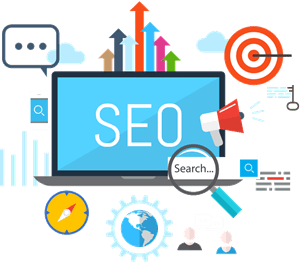
Search Engine Optimization (SEO) is the bedrock of organic online visibility. For an e-commerce store, this means ensuring your products and categories rank high on search engines like Google. A comprehensive module would cover keyword research tailored for product discovery, on-page optimization for product pages, technical SEO to ensure your site is crawlable and fast, and off-page SEO strategies, including link building and online reputation management. Understanding how to create high-quality, relevant content that attracts both users and search engine algorithms is paramount. We often emphasize the long-term benefits of a strong SEO foundation, as it provides a sustainable source of traffic without ongoing ad spend. For those looking to expand their reach, exploring resources like the Top 100 Guest Posting Sites for SEO Success | Updated List can be incredibly beneficial for building authoritative backlinks.
Unleashing the Potential of Paid Advertising (Meta Ads, Google Ads)
While SEO builds organic visibility over time, paid advertising offers immediate reach and highly targeted customer acquisition. This module would focus on platforms like Meta (Facebook and Instagram) and Google Ads, covering campaign structure, audience targeting, ad creative development, bidding strategies, and budget optimization. Learning to analyze campaign performance, A/B test different ad variations, and calculate key metrics like Return on Ad Spend (ROAS) is crucial. Effective paid advertising allows businesses to scale rapidly by reaching specific demographics and interests with precision. We believe that understanding how to estimate and manage advertising budgets is key to profitability. Tools like a Meta Ad Cost Calculator - Budget, Leads & ROI Estimator can be invaluable for planning and forecasting your campaigns.
Content Marketing and Brand Storytelling
Content is king, especially in e-commerce. This module teaches how to create compelling content that educates, entertains, and persuades. This includes product descriptions that sell, blog posts that drive traffic and establish authority, video content for demonstrations and brand building, and engaging social media posts. The focus is on storytelling – building an emotional connection with your audience and differentiating your brand from competitors. A strong content strategy not only drives organic traffic but also nurtures leads and builds a loyal customer base. We advocate for content that provides genuine value, moving beyond simple product promotion to truly connect with the consumer's needs and aspirations.
Email Marketing and Customer Retention
Often overlooked, email marketing remains one of the most powerful and cost-effective channels for customer retention and repeat purchases. This module covers list building strategies, segmentation, automation sequences (welcome series, abandoned cart reminders, post-purchase follow-ups), and crafting compelling email copy. The goal is to build long-term relationships with customers, increase their lifetime value, and turn them into brand advocates. We consistently find that a well-executed email strategy significantly boosts an e-commerce business's bottom line by fostering direct, personalized communication.
The "Broke to Billionaire" Blueprint: A Detailed Journey
Let's illustrate the transformative journey with a hypothetical, yet representative, case study. Consider "Sarah," an aspiring entrepreneur with a unique line of eco-friendly home goods. She had a fantastic product idea and a passion for sustainability, but lacked the marketing savvy to reach her audience effectively. Her initial attempts at building an online store and running social media ads yielded minimal results, consuming her limited budget with little return. This is where her journey from "broke" (in terms of marketing effectiveness) began to pivot.
Sarah enrolled in a comprehensive digital marketing course specifically designed for e-commerce. The structured curriculum and expert guidance became her roadmap. The course emphasized starting lean, validating ideas, and systematically applying marketing principles. Her story, while a composite of many we've observed, highlights the critical phases of leveraging education for exponential growth.
From Concept to First Sale: Laying the Groundwork
Sarah's first step, guided by the course, was rigorous market research to identify her ideal customer demographic and their specific needs. She refined her product line to perfectly align with these insights. Next, she focused on building a user-friendly e-commerce website, applying principles of UX design and conversion optimization learned in her course. The initial SEO module was crucial; she optimized her product descriptions, category pages, and created foundational blog content around sustainable living, targeting long-tail keywords her audience would search for. Her first sales, though small, were a direct result of these strategic, SEO-driven efforts and highly targeted, small-budget Meta Ad campaigns designed to validate her product-market fit. This foundational phase, executed with precision from her course, was essential for building momentum and confidence, proving that her products resonated with a specific audience.
Scaling for Seven Figures: Strategic Execution
With initial validation, Sarah moved into the scaling phase, heavily leveraging her newfound expertise in paid advertising and advanced content marketing. She implemented sophisticated Meta Ad campaigns, using lookalike audiences and retargeting strategies to reach a broader yet still highly relevant audience. Her course had taught her the intricacies of A/B testing ad creatives and landing pages, allowing her to continuously optimize her ad spend for maximum ROI. Simultaneously, her content strategy evolved. She started producing engaging video content showcasing her products' benefits and behind-the-scenes glimpses of her sustainable practices, fostering a strong brand identity. Influencer collaborations, carefully selected based on her brand values, amplified her reach. Email marketing became a powerhouse for customer retention; automated sequences for abandoned carts and post-purchase follow-ups significantly increased her conversion rates and customer lifetime value. This systematic, data-driven scaling, learned and practiced within the course framework, propelled her sales from hundreds to thousands, and then into the millions.
Sustaining Momentum: Building a Legacy
Reaching seven figures was not the end; sustaining it required continuous adaptation and innovation. Sarah's course had instilled in her the importance of analytics and staying ahead of market trends. She regularly analyzed her sales data, customer feedback, and market shifts to inform new product development and marketing adjustments. Her brand's commitment to sustainability, initially a niche, became a powerful differentiator, cultivated through consistent messaging and community engagement. She also explored international markets, applying the localized digital marketing strategies she had learned. The continuous improvement cycle, deeply embedded in her course's philosophy, ensured her business not only grew but remained resilient and relevant in a dynamic e-commerce environment. Her journey exemplifies how a structured learning path provides not just a set of skills, but a mindset for enduring entrepreneurial success.
Key Lessons from High-Growth E-commerce Ventures
Our analysis of successful e-commerce journeys, like Sarah's, reveals several universal truths that aspiring entrepreneurs should heed. First, genuine passion for your product or service must be combined with a robust understanding of how to market it digitally. Passion alone is not enough; strategic execution is key. Second, continuous learning and adaptation are non-negotiable. The digital landscape changes rapidly, and what works today might not work tomorrow. Third, focus on building an authentic brand story. Consumers connect with values and narratives, not just products. Fourth, data is your best friend. Every marketing decision, from ad spend to content topics, should be informed by analytics. Lastly, do not underestimate the power of community – both the community you build around your brand and the support network you find through structured learning environments. These elements, combined, form a potent recipe for e-commerce success.
Strategic Comparison: DIY vs. Guided Learning
When embarking on an e-commerce journey, entrepreneurs often face a critical decision: should they attempt to learn everything themselves through trial and error (DIY) or invest in a structured digital marketing course (Guided Learning)? We've observed distinct advantages and disadvantages to both approaches. Understanding these can help you make an informed decision about your own path to success.
| Feature | DIY (Self-Learning) | Guided Learning (Structured Course) |
|---|---|---|
| Cost | Potentially lower upfront (free resources) but higher potential for wasted ad spend and lost revenue due to mistakes. | Higher upfront investment, but potentially lower overall cost due to accelerated learning, reduced errors, and faster ROI. |
| Learning Pace | Self-paced, but often disorganized and can be overwhelming due to information overload. | Structured, progressive, and efficient. Designed to build skills logically with expert guidance. |
| Accuracy & Reliability | Varies greatly; relies on discerning reliable sources from misinformation. Risk of outdated information. | Curated content from experienced professionals, ensuring up-to-date and accurate strategies. |
| Practical Application | Learned through independent experimentation; can be slow and costly if mistakes are made. | Often includes practical exercises, case studies, and real-world projects with feedback, minimizing costly errors. |
| Support & Mentorship | Limited to online forums or self-help communities; no personalized expert feedback. | Direct access to instructors, mentors, and a community of peers for support and networking. |
| Time to Results | Can be significantly longer due to trial and error, troubleshooting, and re-learning. | Generally faster due to streamlined learning, actionable strategies, and direct feedback. |
| Comprehensiveness | Often leads to fragmented knowledge, with gaps in understanding critical interdependencies. | Provides a holistic view of digital marketing, ensuring all core components are covered systematically. |
While DIY learning offers flexibility and zero upfront cost, the potential for costly mistakes, wasted time, and fragmented knowledge can significantly prolong the journey to success. A structured course, despite its initial investment, often provides a more efficient, reliable, and ultimately faster path to achieving significant e-commerce growth by equipping entrepreneurs with proven strategies and expert support. We have consistently observed that guided learning accelerates the process from understanding concepts to implementing successful campaigns.
The Future of E-commerce: Adapting and Innovating
The digital marketing landscape is perpetually in motion. E-commerce businesses that achieve and sustain multi-million dollar revenues are those that not only master current strategies but also remain agile and proactive in adopting new technologies and methodologies. This requires a commitment to continuous learning and a forward-thinking mindset. The "billionaire" aspect of our title isn't just about financial metrics; it signifies a business that is future-proofed, innovative, and resilient against market changes. We emphasize that a strong foundational understanding from a course is just the beginning; the real test is in consistent application and evolution.
Integrating AI and Advanced Tools
One of the most significant shifts we are currently observing is the integration of Artificial Intelligence (AI) into digital marketing. AI tools are revolutionizing everything from content creation and SEO analysis to ad targeting and customer service. For instance, AI-powered copywriting assistants can generate engaging product descriptions, while machine learning algorithms can optimize ad bids in real-time for improved performance. Predictive analytics helps forecast trends and customer behavior, allowing businesses to stay a step ahead. Embracing these advanced tools is no longer optional; it's a necessity for maintaining a competitive edge and scaling efficiently. Understanding how to leverage powerful AI interfaces, like those offered by large language models, is becoming a core competency for digital marketers. For those looking to explore cutting-edge AI tools, guides such as Upgrade to ChatGPT Go Free for 1 Year | Step-by-Step Guide provide practical insights into getting started.
Conclusion: Your Path to E-commerce Dominance
The journey from a nascent idea to a 7-figure e-commerce success story is challenging, but undeniably achievable with the right knowledge and strategic execution. A well-designed digital marketing course serves as an invaluable accelerator, providing the structured learning, practical skills, and expert insights necessary to navigate the complexities of the online marketplace. We have observed that individuals who commit to such a path often transform their initial struggles into significant triumphs, moving from a position of "broke" in terms of digital marketing acumen to mastering the strategies that drive "billionaire" level growth and influence in their respective niches. The success stories are not accidental; they are the result of deliberate education and diligent application.
As we've explored, mastering SEO, paid advertising, content marketing, and email strategies, coupled with an agile approach to emerging technologies like AI, forms the bedrock of sustainable e-commerce growth. It’s an investment not just in a business, but in an entrepreneur's capability to adapt, innovate, and lead. For those ready to embark on this transformative journey, the blueprint is clear: embrace structured learning, apply insights diligently, and commit to continuous evolution. Your vision for e-commerce dominance awaits.