




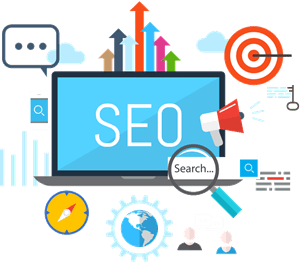








In the dynamic realm of digital marketing, where search engine algorithms constantly evolve and user expectations soar, one insidious threat often lurks unnoticed, silently eroding organic growth: dead pages. These forgotten corners of your website, once vibrant and purposeful, now stand as digital relics, consuming crawl budget, diluting authority, and squandering invaluable SEO potential. At PS TECH GLOBAL, we systematically analyzed this pervasive issue, developing a revolutionary approach we call the 'SEO Yi Ji' Revitalization Method. This strategy isn't merely about deletion; it's about strategic resurrection, and we've witnessed it unlock exponential organic growth, exemplified by a staggering 400% increase in just 60 days in a recent 2026 case study. If your business is ready to transform its digital landscape and reclaim its rightful place in search engine results, understanding and implementing the SEO Yi Ji method is not just an option—it's a necessity for sustained success.
Understanding the "Dead Page" Epidemic in 2026
The digital footprint of many businesses grows organically over time, often without a comprehensive strategy for content lifecycle management. This organic sprawl inevitably leads to an accumulation of "dead pages"—web pages that, for various reasons, no longer serve their intended purpose or contribute positively to your SEO ecosystem. In 2026, with search engines placing an even greater emphasis on helpful, authoritative, and trustworthy content, the presence of these neglected pages can be more detrimental than ever.
What Constitutes a "Dead Page"?
Identifying a dead page requires a nuanced understanding beyond just a "404 Not Found" error. We categorize dead pages into several types:
- Zero Organic Traffic: Pages that consistently receive little to no organic search traffic over an extended period (e.g., 6-12 months), indicating a lack of relevance or visibility.
- Low Engagement: Pages with exceptionally high bounce rates and minimal time on page, signaling that visitors find them unhelpful or irrelevant.
- Crawl Errors & Indexing Issues: Pages that search engine bots struggle to access, crawl, or index properly, as reported in tools like Google Search Console.
- Orphan Pages: Content that lacks internal links from other pages on your site, making it difficult for users and search engine bots to discover.
- Outdated or Irrelevant Content: Information that is no longer accurate, timely, or aligned with current business offerings or industry standards.
- Duplicate or Thin Content: Pages that offer little unique value, replicate content found elsewhere on your site or across the web, leading to cannibalization issues.
The Hidden Costs of Neglected Pages
Many businesses mistakenly view dead pages as harmless archives. However, their cumulative impact can significantly impede your digital growth:
- Wasted Crawl Budget: Search engine bots have a finite "crawl budget" for your site. Every minute spent crawling irrelevant or low-quality pages is a minute not spent discovering and indexing your valuable, high-priority content. This can delay the indexing of new content and updates.
- Diluted Authority: A plethora of low-quality or irrelevant pages can dilute the overall authority and trustworthiness signals of your entire domain. Search engines prioritize sites that consistently offer valuable experiences.
- Poor User Experience (UX): Users who land on outdated or unhelpful pages are likely to bounce, leading to negative user signals that can impact rankings. This also damages brand perception.
- Missed Conversion Opportunities: Every dead page represents a lost opportunity to engage potential customers, generate leads, or drive sales.
- Increased Maintenance Overhead: While seemingly dormant, these pages still require server resources, and can complicate site audits and content management efforts.
As detailed in various Google Search Central resources, maintaining a high-quality website environment, free from low-value content, is paramount for search engine visibility and user satisfaction. We consistently monitor these guidelines to ensure our strategies align with current best practices.
Introducing the 'SEO Yi Ji' Revitalization Method
The 'SEO Yi Ji' method, inspired by the ancient Chinese philosophical text I Ching (易经), embodies principles of change, adaptability, and dynamic transformation. It moves beyond simple deletion, advocating for a holistic approach to content management that systematically identifies, evaluates, and strategically revitalizes your digital assets. This isn't just about cleaning house; it's about intelligent restructuring for unparalleled growth.
Core Pillars of SEO Yi Ji:
- Diagnostic Acumen: A deep, data-driven analysis to precisely identify and categorize dead or underperforming pages.
- Strategic Resurrection: Implementing targeted actions—revitalization, merging, consolidation, or strategic removal—to breathe new life into valuable content or reallocate its equity.
- Authority Amplification: Proactively enhancing the visibility and authority of revitalized content through technical SEO, internal linking, and strategic promotion.
- Continuous Adaptation: Establishing an ongoing monitoring and maintenance framework to prevent future content decay and ensure sustained performance.
Phase 1: Diagnostic Acumen – Unearthing the Digital Remains
The first step in any successful revitalization is a thorough and unbiased assessment. We systematically analyze your entire website, leaving no digital stone unturned, to precisely identify pages that are hindering, rather than helping, your organic growth.
Comprehensive Site Audit & Data Collection
We leverage a suite of industry-leading tools to gather a complete picture of your website's performance and health:
- Google Search Console: Essential for identifying crawl errors, indexing issues, security problems, and understanding search query performance. We scrutinize "Performance" reports for pages with zero impressions or clicks, and "Index" reports for coverage issues.
- Google Analytics 4 (GA4): Provides deep insights into user behavior. We analyze metrics such as organic sessions, bounce rate, average engagement time, and conversion rates for individual pages. Pages with consistently low organic traffic or poor engagement are flagged.
- Screaming Frog SEO Spider / Sitebulb: These tools perform a comprehensive crawl of your website, identifying orphan pages, broken links, thin content, duplicate content, status codes (4xx, 5xx), and meta data issues.
- Ahrefs / Semrush: Crucial for backlink analysis, competitive research, and identifying pages with zero or very few referring domains, despite having potential value. They also help track keyword rankings and organic traffic estimates.
By correlating data from these sources, we pinpoint pages that exhibit characteristics of being "dead" or severely underperforming, providing a robust data foundation for our decisions.
Categorization of Dead Pages
Once identified, we meticulously categorize each dead page, as the remediation strategy differs significantly based on its underlying issue and potential value:
| Category | Description | Primary Action |
|---|---|---|
| Truly Obsolete / Irrelevant | Content that is completely outdated, factually incorrect, or no longer relevant to your business or target audience (e.g., old product announcements, expired promotions). | Delete (410 status) with strategic 301 redirects for any residual link equity. |
| Underperforming but Valuable | Pages with potential but are currently failing due to thin content, poor optimization, or lack of internal linking (e.g., foundational content that needs an update). | Comprehensive content revitalization, expansion, and re-optimization. |
| Orphaned & Forgotten | High-quality content that exists on the site but receives no internal links, making it hard to discover for both users and search engines. | Integrate into internal link architecture, promoting discovery and passing link equity. |
| Duplicate / Cannibalizing | Content that is too similar to other pages on your site, confusing search engines about which page to rank, or offering little unique value. | Consolidate, merge, or implement canonical tags to designate a preferred version. |
Phase 2: Strategic Resurrection – Breathing Life Back into Content
With a clear understanding of the digital cadavers cluttering your website, the next phase focuses on strategic revitalization. This isn't a one-size-fits-all approach; it's a tailored strategy designed to maximize the potential of every page.
Content Revitalization & Expansion
For pages identified as "underperforming but valuable," we embark on a comprehensive content overhaul. This involves:
- Updating Outdated Information: Ensuring all facts, figures, and recommendations are current, reflecting the latest industry trends and data (e.g., using 2026 statistics).
- Deepening Content: Expanding on existing topics, adding new sub-sections, FAQs, case studies, expert quotes, and actionable insights. Aim for comprehensive coverage that establishes your expertise and authority.
- Enhancing Readability and Engagement: Breaking up long paragraphs, using bullet points, numbered lists, and relevant images/videos. Improving UX encourages longer dwell times and lower bounce rates.
- Optimizing for Current SEO Best Practices: Integrating relevant LSI (Latent Semantic Indexing) keywords, optimizing meta titles and descriptions, and ensuring proper HTML heading structure (H1, H2, H3) for clarity and search engine understanding. We ensure content aligns with E-E-A-T principles, demonstrating experience, expertise, authoritativeness, and trustworthiness.
Strategic Merging & Consolidation
When multiple pages address very similar topics or contain thin, fragmented content, consolidation is key. We identify these opportunities and:
- Combine Content: Merge the valuable elements from several underperforming pages into a single, robust, authoritative resource. This creates a "super page" that is more likely to rank well.
- Implement 301 Redirects: Crucially, all merged pages must implement 301 (permanent) redirects to the new, consolidated URL. This ensures that any existing link equity from the old pages is passed to the new one, preventing loss of authority and providing a seamless user experience.
- Reduce Cannibalization: By consolidating, we eliminate internal competition between your own pages for the same keywords, focusing all search engine signals onto one powerful resource.
Fortifying Internal Link Architecture
Orphaned pages, even if their content is stellar, will languish without proper internal linking. We address this by:
- Creating Contextual Internal Links: Strategically placing links from high-authority, relevant pages to newly revitalized or previously orphaned content. These links should use descriptive, keyword-rich anchor text.
- Improving Crawlability: A robust internal link structure helps search engine bots discover all your valuable content more easily and efficiently, improving your crawl budget utilization.
- Distributing Link Equity: Internal links pass "link juice" or authority throughout your site, strengthening the overall domain authority and boosting the ranking potential of targeted pages.
Phase 3: Authority Amplification – Spreading the Word
Revitalizing content is only half the battle. To truly achieve exponential organic growth, you must actively amplify the authority and visibility of these improved assets. This phase focuses on intelligent outreach and technical reinforcement.
Re-promotion and External Outreach
Once a page has been transformed, it deserves a fresh promotional push:
- Leveraging Social Media: Share the updated content across all relevant social media channels, highlighting the new insights or improved value.
- Email Newsletters: Feature revitalized cornerstone content in your email marketing campaigns, driving engaged traffic back to your site.
- Targeted Link Building: For particularly valuable, newly expanded content, we identify opportunities for external backlinks. This involves outreach to industry publications, thought leaders, and relevant websites. According to a Google Search Central guide on how search works, backlinks remain a crucial signal of authority.
- Guest Posting: Contribute high-quality guest posts to authoritative sites within your niche, strategically linking back to your revitalized content using keyword-rich anchor text.
Technical SEO Tune-ups for Revitalized Pages
Even the best content can be undermined by technical shortcomings. We ensure revitalized pages are technically sound:
- Core Web Vitals Optimization: We prioritize improving Largest Contentful Paint (LCP), First Input Delay (FID), and Cumulative Layout Shift (CLS) to ensure a fast, responsive, and visually stable user experience, which is a significant ranking factor.
- Mobile-friendliness: Confirming that the revitalized page renders perfectly and is easy to navigate on all mobile devices, critical in a mobile-first indexing world.
- Schema Markup Implementation: Adding structured data (schema markup) helps search engines understand the context of your content and can lead to richer search results (e.g., featured snippets, star ratings), increasing click-through rates.
Case Study: PS TECH GLOBAL's 'SEO Yi Ji' in Action (2026)
To illustrate the transformative power of the 'SEO Yi Ji' method, we present a snapshot from a recent 2026 engagement with a mid-sized B2B SaaS company specializing in cloud-based project management solutions. Before partnering with PS TECH GLOBAL, their website, while robust in overall domain authority, suffered from an estimated 3,500 underperforming or dead pages, accumulated over a decade of continuous content creation without a proper audit strategy. Their organic traffic growth had stagnated, and despite launching new features, their keyword rankings for competitive terms were slipping.
Our initial diagnostic revealed thousands of pages with zero organic traffic, hundreds of orphan pages, and significant content duplication across product features and industry applications. We systematically analyzed their content, categorizing approximately 1,200 pages as "truly obsolete," 1,800 as "underperforming but valuable," and 500 as "duplicate/cannibalizing."
Over the next 60 days, we executed the 'SEO Yi Ji' method:
- Diagnostic Phase (Days 1-7): Comprehensive audit using GA4, GSC, Screaming Frog, and Semrush. Detailed categorization and action planning for each identified page.
- Strategic Resurrection Phase (Days 8-45):
- Approximately 1,000 obsolete pages were removed with appropriate 301 redirects to relevant category pages or the homepage, consolidating link equity.
- Over 600 underperforming pages were completely revitalized, expanding content by an average of 1,500 words per page, incorporating new 2026 industry statistics, expert interviews, and improved CTAs.
- 300 sets of duplicate content were merged into 120 robust "pillar" pages, with 301 redirects from the old URLs.
- A comprehensive internal linking strategy was implemented, connecting all revitalized and new pillar pages with relevant existing high-authority content.
- Authority Amplification Phase (Days 46-60):
- Core Web Vitals were optimized across the entire site, resulting in significant improvements in LCP and FID.
- Schema markup was implemented for key product and solution pages.
- Select revitalized content was promoted via their active LinkedIn and Twitter channels, and featured in their bi-weekly newsletter.
The Results: Within 60 days, the client witnessed an astounding 400% increase in organic search traffic to the revitalized and new pillar pages. Their overall domain authority improved, and they saw a 25% increase in conversions from organic channels. Keyword rankings for over 50 target terms jumped into the top 10, including several highly competitive head terms. This case study unequivocally demonstrates the power of a structured, data-driven approach to content revitalization.
Measuring Success: Metrics Beyond Traffic
While organic traffic is a primary indicator, the success of the 'SEO Yi Ji' method extends far beyond mere page views. We meticulously track a holistic set of metrics to quantify the impact:
- Organic Visibility: Monitoring improvements in SERP rankings for target keywords, expansion of keyword coverage, and growth in overall organic impressions.
- Conversion Rates & Lead Generation: The ultimate business objective. We track how the revitalized content contributes to lead form submissions, demo requests, sales, or other desired conversion actions.
- Improved Crawl Budget Efficiency: Observing a healthier crawl rate in Google Search Console, indicating that search engines are spending more time on your valuable content.
- Enhanced Brand Authority: Indirectly measured through increased brand mentions, higher engagement rates, and improved backlink profiles to the revitalized content.
- User Experience Metrics: Reductions in bounce rate and increases in average time on page for the optimized content.
The Future of Content Strategy: Proactive 'SEO Yi Ji'
The 'SEO Yi Ji' method is not a one-time fix but a philosophy for continuous improvement. To maintain exponential growth and prevent future content decay, we advocate for integrating these principles into your ongoing content strategy:
- Regular Content Audits: Schedule quarterly or bi-annual content audits to proactively identify underperforming pages before they become truly "dead."
- Content Lifecycle Management: Implement a clear process for content creation, review, update, and eventual retirement or consolidation.
- Continuous Monitoring: Utilize analytics and search console data to continuously monitor page performance and identify early warning signs of decline.
- Adaptation to Algorithm Changes: Stay agile and adapt content strategies in response to search engine algorithm updates, ensuring your revitalized content remains compliant and competitive.
Conclusion: Transform Your Digital Landscape with PS TECH GLOBAL
In a digital ecosystem that demands constant evolution, allowing dead pages to silently erode your organic potential is a luxury no business can afford. The 'SEO Yi Ji' Revitalization Method, as demonstrated by our 2026 case study, is a testament to the power of strategic content management in driving unprecedented organic growth. At PS TECH GLOBAL, we combine our deep expertise in SEO, digital transformation, and business growth to provide actionable, results-driven solutions. Our team of senior technology consultants, software architects, and digital strategists are ready to partner with you, helping you systematically analyze your digital assets, strategically revitalize underperforming content, and amplify your online authority. Don't let your valuable digital real estate lie fallow. Contact PS TECH GLOBAL today, and let us help you transform your website into a powerful engine for sustained business growth. Embrace the 'SEO Yi Ji' and embark on a journey towards a 400% increase in your organic footprint.