















Avoid the Agency Nightmare: 10 Urgent Questions to Ask Before Hiring a Digital Marketing Agency in 2026
In the dynamic landscape of 2026, where digital transformation isn't just an aspiration but a business imperative, the choice of a digital marketing agency can make or break your growth trajectory. As technology consultants, software architects, and business growth experts at PS TECH GLOBAL, we've witnessed firsthand the profound impact a strategic partnership can have – and conversely, the devastating consequences of a misstep. Hiring the wrong agency is more than a budgetary concern; it's a drain on resources, a threat to your brand reputation, and a significant opportunity cost in a market that waits for no one.
The digital marketing arena is evolving at an unprecedented pace. From the pervasive influence of artificial intelligence (AI) and sophisticated automation to ever-tightening data privacy regulations and the continuous shifts in search engine algorithms, staying ahead demands not just expertise, but foresight. We systematically analyzed the current challenges businesses face and developed a set of urgent questions designed to cut through the noise and identify a truly world-class digital marketing partner. These aren't just questions; they are strategic checkpoints to ensure your investment yields tangible returns and propels your business forward.
The Evolving Digital Marketing Landscape in 2026
The year 2026 marks a pivotal moment in digital marketing. The lines between technology, data science, and creative strategy have blurred, creating a complex ecosystem where integrated approaches are paramount. AI is no longer a futuristic concept but an operational reality, with Gartner predicting that AI automation of marketing work is expected to more than double from 16% in 2026 to 36% by 2028. This signifies a fundamental shift, moving AI from a supplementary tool to a primary driver of campaign execution, content production, and customer engagement. Furthermore, according to Deloitte Digital, AI is becoming the operating system of marketing, creating content, informing decisions, and shaping customer experiences.
Beyond AI, we observe a heightened focus on data privacy, with regulations like GDPR and CCPA continuing to evolve and expand their global reach, demanding rigorous compliance and transparent data handling. The competitive landscape is fiercer than ever, and consumer expectations for personalized, authentic, and real-time engagement have reached new heights. In this environment, relying on outdated strategies or agencies that haven't embraced these shifts is a recipe for stagnation.
Why a Bad Agency Choice is More Costly Than Ever
A poor agency selection in 2026 can ripple through your entire organization, impacting far more than just your marketing budget. It can lead to:
- Wasted Investment: Funds poured into ineffective campaigns generate minimal to no ROI.
- Brand Damage: Inconsistent messaging, privacy breaches, or unethical practices can severely erode customer trust and brand equity.
- Lost Time and Opportunity: Every month spent with the wrong agency is a month your competitors are gaining ground, innovating, and capturing market share.
- Internal Resource Drain: Constant oversight, corrective measures, and a lack of clear results divert valuable internal team resources away from core business objectives.
- Stifled Growth: Without a robust digital presence and effective lead generation, your business's ability to scale and achieve its revenue goals is severely compromised.
To mitigate these risks and secure a partnership that truly accelerates your business, we present 10 urgent questions every business owner and decision-maker must ask.
10 Urgent Questions to Ask Before Hiring a Digital Marketing Agency in 2026
1. How Do You Leverage AI and Automation to Enhance Campaign Performance and Efficiency?
In 2026, an agency without a sophisticated AI and automation strategy is simply not competitive. We believe AI should be seamlessly integrated across all facets of digital marketing, from predictive analytics and ad optimization to personalized content delivery and workflow automation. Ask them to move beyond buzzwords and provide concrete examples.
- Specific Applications: Can they detail how AI is used for audience segmentation, personalized ad creative generation, real-time bidding adjustments, or lead scoring?
- Efficiency Gains: How does automation free up human talent for higher-level strategic tasks, ensuring cost-effectiveness and faster campaign deployment?
- Ethical AI Use: What are their protocols for ensuring AI-driven campaigns are ethical, unbiased, and compliant with evolving AI governance standards?
2. Can You Detail Your Data Privacy Compliance Strategy (e.g., GDPR, CCPA, Upcoming Regulations)?
Data privacy is non-negotiable. Businesses operate in a world where robust data protection is not just a legal requirement but a fundamental expectation from consumers. Agencies must demonstrate an unyielding commitment to compliance with regulations like the GDPR and CCPA. Penalties for non-compliance can be severe, with GDPR fines potentially reaching millions of Euros.
- Compliance Frameworks: What specific processes and technologies do they employ to ensure campaigns are compliant with current and anticipated data privacy laws?
- First-Party Data Strategy: How do they help clients build and leverage first-party data in a privacy-compliant manner, reducing reliance on increasingly restricted third-party data?
- Incident Response: What is their protocol in the event of a data breach or privacy incident related to marketing activities?
3. How Do You Integrate Digital Marketing Efforts Across Multiple Channels and Technologies?
Siloed marketing efforts are a relic of the past. A truly effective agency in 2026 understands that digital marketing is a synergistic ecosystem. We look for agencies that can demonstrate expertise in integrating various channels – from SEO and paid media to social media, email, and content marketing – to create a unified customer journey and maximize impact.
- CRM and Marketing Automation: How do they integrate with your existing CRM and marketing automation platforms (e.g., Salesforce, HubSpot) to ensure seamless data flow and lead nurturing?
- Cross-Channel Attribution: What methodologies and tools do they use to attribute conversions and ROI across different touchpoints, providing a holistic view of campaign performance?
- Technological Stack: Can they articulate how their chosen tools and platforms complement your existing technology stack to avoid redundancies and optimize data utilization?
4. What Specific Expertise Do You Possess in [Our Industry/Niche]? Can You Provide Relevant Case Studies from 2024-2026?
Generic marketing strategies rarely yield exceptional results. Industry-specific knowledge allows an agency to understand your unique challenges, competitive landscape, and target audience nuances. Ask for recent, verifiable case studies that showcase their success within your particular industry or a highly similar niche.
- Market Insights: Can they demonstrate a deep understanding of your industry's current trends, regulatory environment, and consumer behavior patterns specific to your sector?
- Competitive Advantage: How would their strategies specifically differentiate your brand within your competitive landscape?
- Results-Oriented Proof: Demand concrete metrics and outcomes from their case studies, focusing on how they helped similar businesses achieve their revenue and growth objectives.
5. How Do You Measure ROI and Report on Key Performance Indicators (KPIs) Beyond Vanity Metrics?
Transparency and accountability are paramount. We advise clients to demand clear, actionable insights into campaign performance that directly tie back to business objectives. Look beyond superficial metrics like impressions or clicks and focus on conversion rates, customer acquisition cost (CAC), customer lifetime value (CLTV), and overall revenue impact.
- Custom Dashboards: Will they provide access to real-time, customizable dashboards that track relevant KPIs for your business?
- Attribution Models: What attribution models do they use (e.g., first-touch, last-touch, multi-touch) and how do they help you understand the true impact of each marketing effort?
- Regular Reviews: How often will performance reviews be conducted, and what is the typical structure of these meetings to ensure strategic alignment and agile adjustments?
6. What is Your Team Structure, and Who Will Be Our Dedicated Points of Contact and Strategists?
The people behind the strategy are as crucial as the strategy itself. Understanding the team structure provides insight into the expertise you'll be leveraging and ensures a smooth working relationship. Avoid agencies that delegate your account to junior staff without senior oversight.
- Experience and Roles: What are the credentials and experience levels of the team members who will be directly working on your account?
- Communication Protocols: How will communication flow, and what are the expected response times for urgent queries?
- Cross-Functional Teams: Do they have a cross-functional team (e.g., SEO specialists, content creators, data analysts, paid media experts) collaborating on your strategy?
7. How Do You Approach Content Strategy and Creation, Especially with the Rise of Generative AI?
Content remains critical for engaging audiences and driving SEO performance. However, the rise of Generative AI has transformed content creation workflows. Your agency must have a clear, sophisticated approach that balances AI efficiency with human creativity and E-E-A-T principles. Deloitte Digital's research indicates that generative AI is already reshaping content production, with 26% of surveyed marketers already using it.
- AI-Human Synergy: How do they integrate AI tools (e.g., for ideation, drafting, optimization) while maintaining a unique brand voice, factual accuracy, and human oversight?
- E-E-A-T Adherence: How do they ensure content demonstrates Experience, Expertise, Authoritativeness, and Trustworthiness, which are crucial for Google rankings, particularly for 'Your Money or Your Life' (YMYL) topics?
- Content Diversification: What is their strategy for creating diverse content formats (e.g., video, interactive tools, long-form articles, short-form social content) tailored to different stages of the customer journey?
8. Describe Your Approach to SEO, Including Technical SEO, E-E-A-T, and Local Search Optimization for 2026.
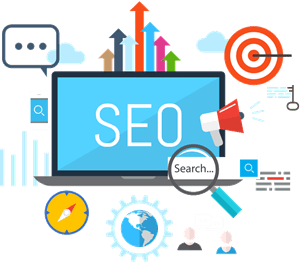
SEO in 2026 is far more complex than keyword stuffing. It encompasses technical prowess, a deep understanding of user intent, and adherence to Google's evolving guidelines. Agencies must demonstrate a comprehensive strategy covering all facets of modern SEO, including the critical elements of E-E-A-T (Experience, Expertise, Authoritativeness, Trustworthiness).
- Technical SEO Audit: What is their process for conducting thorough technical SEO audits (site speed, mobile-friendliness, core web vitals) and implementing necessary fixes?
- Semantic Search & AI Overviews: How do they optimize for semantic search, featured snippets, and the increasing presence of AI Overviews in search results?
- Local SEO: For businesses with physical locations, what specific strategies do they employ for local search optimization, including Google Business Profile management and local citation building?
9. What is Your Process for Onboarding, Project Management, and Adapting to Evolving Business Needs?
A well-defined operational process is the backbone of a successful agency-client relationship. It ensures smooth transitions, efficient execution, and the agility to adapt to market changes or evolving business priorities. We emphasize clear project management and communication frameworks.
- Onboarding Plan: Can they present a detailed onboarding plan that outlines timelines, key milestones, and required inputs from your team?
- Project Management Tools: What project management tools do they utilize (e.g., Asana, Trello, Jira) for task tracking, progress reporting, and collaborative feedback?
- Flexibility and Agility: How do they handle sudden shifts in market conditions, competitive actions, or changes in your business objectives, ensuring campaigns remain relevant and effective?
10. Can You Clearly Outline Your Pricing Model, Contract Terms, and Guarantees (if any)?
Full transparency on financials and contractual obligations is non-negotiable. Hidden fees or unclear terms can lead to significant frustration and budget overruns. Understand exactly what you're paying for and what you can expect in return.
- Pricing Structure: Is their pricing model fixed-fee, performance-based, hourly, or a hybrid? Ensure it aligns with your budget and desired outcomes.
- Contract Length and Termination: What are the typical contract lengths, and what are the clauses for early termination or renewal?
- Performance Guarantees: While no ethical agency can guarantee specific rankings or revenue, what performance benchmarks do they commit to, and what recourse is available if those are not met?
These urgent questions are designed to empower you with the clarity and confidence needed to select a digital marketing agency that truly aligns with your business goals in 2026 and beyond. By focusing on these critical areas, you can transform the potentially daunting task of agency selection into a strategic decision that drives sustainable growth and competitive advantage.
The PS TECH GLOBAL Advantage: Your Strategic Partner
At PS TECH GLOBAL, we understand that navigating the complexities of digital transformation and marketing strategy requires more than just services; it requires a trusted partnership. As a leading technology consulting and digital transformation company, we are uniquely positioned to guide you through this landscape. We offer expertise not just in digital marketing, but across website development, software solutions, AI integration, business automation, and branding. Our holistic approach ensures that your digital marketing strategy is not an isolated effort, but an integral part of a larger, cohesive plan designed to accelerate your growth, improve efficiency, reduce costs, and secure your competitive edge.
Our commitment is to empower entrepreneurs, startups, SMEs, and enterprises to build scalable digital businesses. We believe that by asking the right questions and partnering with agencies that can confidently answer them, you can avoid the common pitfalls and instead forge powerful alliances that deliver measurable, transformative results.
Frequently Asked Questions
Why is it crucial to ask specific questions before hiring a digital marketing agency?
Asking targeted questions is vital for thoroughly vetting agencies, understanding their processes, verifying their expertise, and ensuring they align with your unique business goals, thereby preventing costly mistakes and fostering a productive, long-term partnership.
What are some significant red flags to watch for when evaluating digital marketing agencies?
Key red flags include agencies promising guaranteed results (which are impossible in marketing), lacking transparency in reporting, having unclear pricing structures, being unable to provide relevant client references, or showing minimal interest in understanding your specific business challenges and industry.
How often should I communicate with my digital marketing agency, and what type of reports should I expect?
Regular communication, typically on a weekly or bi-weekly basis, is essential. You should expect comprehensive performance reports that clearly outline key metrics, demonstrate progress towards your goals, provide actionable insights, and explain the 'why' behind the data, rather than just raw numbers.