
















Why Your Digital Marketing Is Not Working: 15 Hidden Reasons
You're spending money on ads. Posting regularly on social media. Maybe even hired someone to handle your marketing. But the leads? They're not coming. Sales are flat. And you're starting to wonder if digital marketing even works.
Here's what nobody tells you: digital marketing works incredibly well. Just not when you're making these mistakes.
I've seen businesses burn through $50,000 in ad spend with nothing to show for it. Not because digital marketing failed them, but because they missed the fundamentals. Small things that seem insignificant but kill results.
The frustrating part? Most of these issues are invisible. You think everything looks fine on the surface. Your website looks good. Your ads seem okay. But something's broken underneath.
Let's dig into the 15 hidden reasons your digital marketing is not working and how to fix them.
1. You're Targeting Everyone (Which Means You're Targeting Nobody)
This is the biggest mistake, hands down.
"Our product is for everyone" is marketing suicide. When you try to speak to everyone, your message becomes so generic that nobody feels like you're talking to them.
Think about it. A 25-year-old startup founder has completely different problems than a 55-year-old CEO. Different language. Different priorities. Different buying process.
Your competitors who focus on a specific niche will always win because their message hits harder. They speak directly to their audience's pain points.
How to fix it: Pick one specific audience segment. Create detailed buyer personas. Understand their exact problems, the language they use, where they hang out online. Build everything around them first. You can always expand later.
2. Your Website Loads Like It's 1999
Page speed isn't just a technical issue. It's a revenue issue.
Google found that 53% of mobile users abandon sites that take longer than 3 seconds to load. That's over half your potential customers gone before they even see your offer.
You might think your site is "fine" because it loads quickly on your office WiFi. But your customers? They're on spotty mobile connections, old phones, using data in areas with weak signals.
Every extra second of load time reduces conversions. It's that simple.
How to fix it: Test your site speed on Google PageSpeed Insights. Compress images. Remove unnecessary plugins. Use a content delivery network. If you need professional help, working with a web design company in Gurgaon or your local area can optimize this quickly.
3. You're Ignoring Mobile Users (Big Mistake)
Over 60% of web traffic comes from mobile devices. Yet so many websites still feel like they were designed for desktop and mobile was an afterthought.
Tiny text. Buttons too small to tap. Forms that are impossible to fill out on a phone. Pop-ups that cover the entire screen with no way to close them.
If your mobile experience sucks, you're literally turning away more than half your potential customers.
How to fix it: Pull out your phone right now and try to complete a purchase or fill out a form on your site. Frustrating, isn't it? That's how your customers feel. Make mobile your priority, not your afterthought. Every business website design should be mobile-first in 2026.
4. Your SEO Strategy Is Stuck in 2015
Still stuffing keywords? Buying backlinks from shady sources? Copying competitor content?
Google's algorithms have evolved massively. What worked five years ago now gets you penalized.
Modern SEO is about genuinely helpful content, user experience, and building real authority. It's about answering questions people actually ask and providing value that makes people want to link to you naturally.
How to fix it: Focus on search intent. Create comprehensive content that actually helps people solve problems. Build legitimate backlinks through partnerships and quality content. If SEO feels overwhelming, a professional SEO company in Gurgaon or your local market can audit and fix your strategy. Check out these on-page SEO best practices to get started.
5. You're Not Tracking the Right Metrics
Vanity metrics are killing your marketing budget.
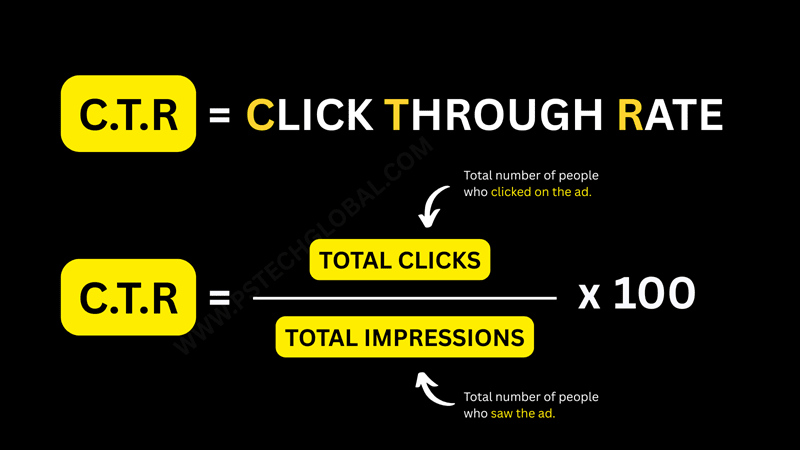
"We got 10,000 impressions!" Great. How many sales?
"Our Instagram grew by 500 followers!" Awesome. Did revenue increase?
Too many businesses celebrate metrics that don't actually matter. Likes, follows, impressions - they feel good but they don't pay the bills.
What you should track instead:
- Conversion rate
- Cost per acquisition
- Customer lifetime value
- Return on ad spend
- Revenue (obviously)
- Lead quality, not just quantity
How to fix it: Set up proper analytics. Track the entire customer journey from first click to final purchase. Understand which channels actually drive revenue. Double down on what works, cut what doesn't.
6. Your Content Is Boring (Sorry, But It's True)
Nobody wants to read another generic "5 Tips for Success" article. There are already a million of those.
Your content needs to stand out. It needs personality. It needs to actually teach something valuable or tell a story worth reading.
Most business content reads like it was written by a committee trying not to offend anyone. It's safe, sterile, and forgettable.
How to fix it: Write like you talk. Share real examples. Be specific instead of vague. Have an opinion. Tell stories. If writing isn't your strength, professional content writing services can help you create content that actually connects with readers.
7. You're Inconsistent With Your Marketing
Posting daily for two weeks, then nothing for a month. Running ads for three weeks, then stopping completely. Starting an email newsletter, sending three emails, then abandoning it.
Digital marketing requires consistency. Algorithms reward consistent posting. Audiences forget about inconsistent brands. You can't build momentum if you keep stopping and starting.
How to fix it: Create a realistic content calendar you can actually maintain. It's better to post twice a week consistently than daily for a month then disappear. Set up systems and automation. Batch create content. Make consistency non-negotiable.
8. Your Ad Copy Sounds Like Everyone Else's
"Innovative solutions for your business needs."
"Quality products at affordable prices."
"Industry-leading expertise you can trust."
This copy says absolutely nothing. It's vague, generic, and could describe literally any business in any industry.
Your ad copy needs to be specific. It needs to address exact pain points. It needs to stand out in a sea of sameness.
How to fix it: Study what your best customers actually say. Use their language in your copy. Be specific about the transformation you provide. Instead of "improve your business," say "add 50 new qualified leads per month without cold calling."
9. You're Not Following Up With Leads
This one's painful to watch. Businesses spend thousands generating leads, then let them die.
Someone fills out a contact form. You respond three days later (if at all). By then, they've already contacted your competitor who responded in 20 minutes.
Speed matters. Studies show that following up within 5 minutes of a lead coming in increases conversion by 9x compared to waiting 30 minutes.
How to fix it: Set up immediate automated responses. Have a system that alerts you the second a lead comes in. Follow up fast. Then follow up again. Most sales happen after the 5th-12th touchpoint, but most businesses give up after one or two attempts.
10. Your Landing Pages Are Confusing
People land on your page and don't know what to do next. Too many options. Unclear value proposition. Ten different calls to action fighting for attention.
Confused people don't buy. They leave.
A good landing page has one clear purpose. One main message. One primary action you want people to take. Everything else is distraction.
How to fix it: Simplify ruthlessly. Clear headline that explains your offer. Supporting copy that addresses objections. One prominent call to action. Remove navigation, sidebars, and anything that doesn't support the conversion goal. Professional landing page design focuses on conversion, not just aesthetics.
11. You're Ignoring Social Media Engagement
Posting content is only half the battle. The other half is engaging with your audience.
Someone comments on your post? Respond. Someone asks a question? Answer it. Someone shares your content? Thank them.
Social media algorithms favor engagement. But beyond that, people want to do business with brands that actually interact with them, not faceless corporations that just broadcast messages.
How to fix it: Set aside 30 minutes daily for engagement. Respond to every comment. Join relevant conversations. Build relationships, not just follower counts. A solid social media optimization strategy includes both content and community building.
12. Your Offer Isn't Clear or Compelling
What exactly are you selling? What makes it different? Why should someone buy from you instead of your competitor?
If you can't answer these questions clearly and quickly, your marketing will struggle no matter how good your tactics are.
Your offer needs to be crystal clear. The benefits need to be obvious. The value needs to exceed the price significantly.
How to fix it: Craft a value proposition that takes less than 10 seconds to understand. Focus on transformation, not features. Instead of "cloud-based project management software with 50+ integrations," say "get projects finished 40% faster without endless email chains."
13. You're Not Retargeting
97% of first-time visitors leave without taking action. That's normal. People need to see your brand multiple times before buying.
But if you're not retargeting, those visitors are gone forever. You paid to get them to your site, then never reminded them you exist.
How to fix it: Set up retargeting pixels on your website. Create specific ads for people who visited certain pages. Offer them something relevant based on what they looked at. Retargeting converts 10x better than cold traffic because people already know you. Work with a performance marketing agency to optimize your retargeting campaigns.
14. Your Email Marketing Is an Afterthought
Email has an average ROI of $42 for every $1 spent. That's higher than any other marketing channel. Yet businesses treat it like it doesn't matter.
Generic subject lines. Boring content. Sending the same message to everyone on your list regardless of their interests or behavior.
How to fix it: Segment your email list based on behavior and interests. Personalize subject lines and content. Provide genuine value in every email. Test different approaches. Make email marketing a priority, not something you do when you remember.
15. You Expect Instant Results
Digital marketing isn't a vending machine where you put money in and customers pop out immediately.
SEO takes 4-6 months to show results. Content marketing needs time to build authority. Brand awareness requires repeated exposure over time.
Businesses try a strategy for three weeks, see no immediate results, then abandon it completely. They switch tactics constantly, never giving anything enough time to actually work.
How to fix it: Set realistic expectations. Give strategies at least 3-6 months before judging results. Track leading indicators (traffic, engagement) before expecting lagging indicators (sales). Be patient while being aggressive with execution.
What Actually Works in Digital Marketing
Now that we've covered what doesn't work, let's talk about what does.
Integrated Strategy: Your SEO, content, social media, ads, and email should all work together, not operate in silos. They should reinforce each other.
Testing and Optimization: Nothing works perfectly from day one. Successful marketing means constant testing, learning, and improving.
Knowing Your Numbers: Track everything. Know exactly what each marketing channel costs and what it returns. Double down on winners, cut losers quickly.
Quality Over Quantity: One great piece of content beats ten mediocre ones. One perfectly targeted ad campaign beats five generic ones.
Long-term Thinking: Build assets that compound. SEO and content get better with time. Email lists grow. Brand awareness accumulates.
Working with a professional digital marketing agency can help you avoid these mistakes and implement strategies that actually work. Whether you're in New York City, Los Angeles, or Delhi NCR, getting expert guidance saves you from expensive mistakes.
How to Turn Your Marketing Around
Here's your action plan for the next 30 days:
Week 1: Audit everything. Check your website speed, mobile experience, analytics setup, and current tracking. Identify your biggest gaps.
Week 2: Fix the technical issues. Optimize site speed. Improve mobile experience. Set up proper tracking. Make sure your foundation is solid.
Week 3: Clarify your message. Rewrite your value proposition. Create buyer personas. Make sure you're speaking directly to your ideal customer.
Week 4: Plan and execute. Create a realistic content calendar. Set up retargeting. Implement a lead follow-up system. Start executing consistently.
Remember, you don't need to fix everything at once. Pick the three issues most relevant to your business and focus there first.
Frequently Asked Questions